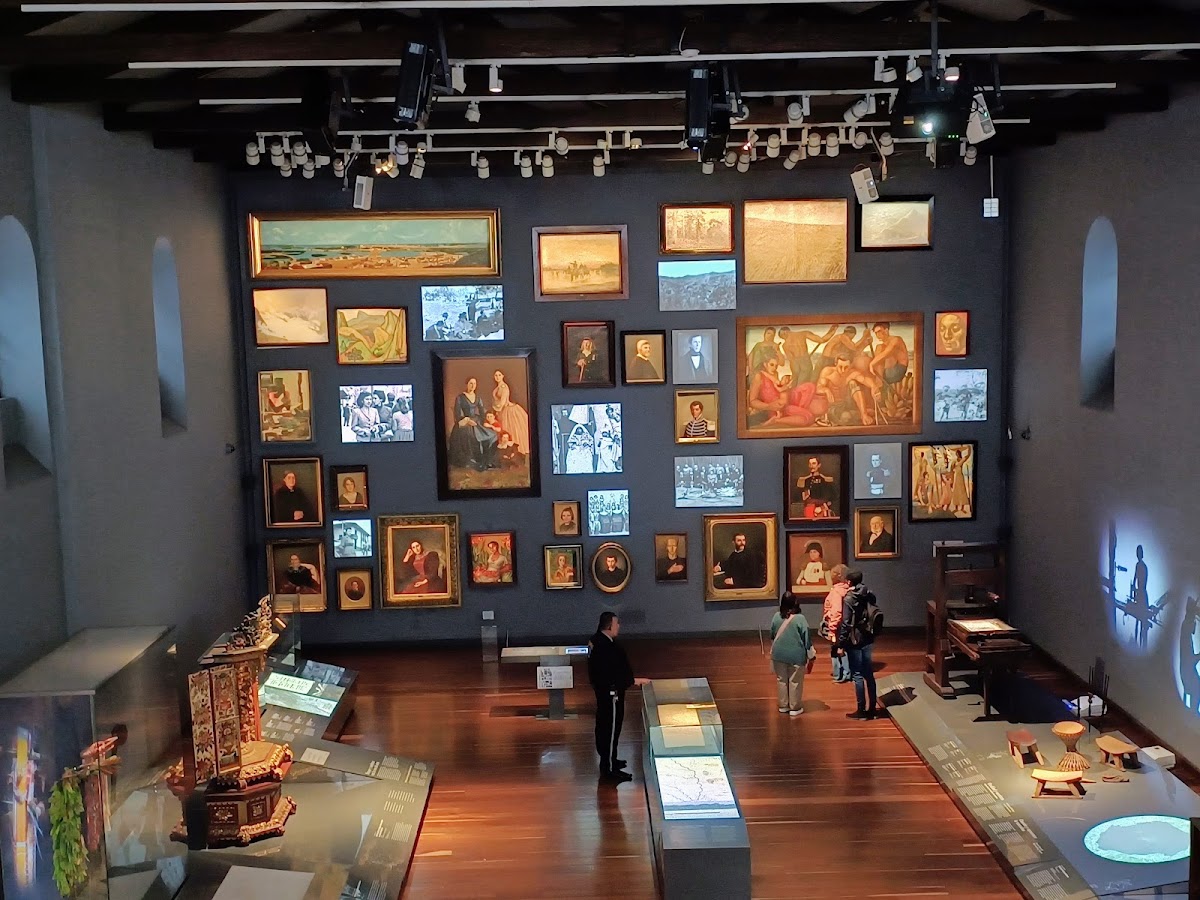
National Museum of Colombia: 30,000 Years of Stories in Bogota
Colombian National Museum: Walking Through Time's Echoes
Stepping into the Colombian National Museum in Bogotá, the journey begins with the building itself. This magnificent panóptico, once a formidable prison, still whispers tales from its imposing brick façade. As I walked through its high-ceilinged, sweeping corridors, the unique blend of grandeur and solemnity was palpable. Knowing its past as a place of confinement, the sturdy walls and arched doorways took on a profound significance, hinting at stories etched into every brick. It’s a space that has witnessed its own profound metamorphosis.
Inside, the circular layout, originally designed for surveillance, now guides visitors through an epic journey spanning 30,000 years of Colombian heritage. I was struck by how artfully the museum utilizes its architectural bones to unfold history chronologically. Each floor unveils a new chapter: from the intricate craftsmanship of pre-Hispanic civilizations to the complexities of the colonial era and the vibrant, often turbulent, birth of the Republic. It felt less like viewing static artifacts and more like walking alongside the currents of time, with the echoes of past lives coexisting with the vibrant displays of human ingenuity. The museum doesn't just display history; it embodies it.
Museo del Oro: The Language of Gold
The Museo del Oro, or Gold Museum, is a dazzling testament to the spiritual and cultural richness of Colombia's pre-Hispanic societies. Stepping into its hushed, dimly lit halls, I was immediately enveloped in a golden glow. The sheer volume of intricately crafted pieces – over 55,000 artifacts – is breathtaking, yet it’s the stories they tell that truly captivate.
I found myself drawn to the delicate votive figures, each a miniature world of ritual and belief. The elegant lines of the Poporo Quimbaya, a lime flask used in coca leaf chewing ceremonies, spoke volumes about advanced artistic sensibilities. Further on, the famous Balsa Muisca, a golden raft depicting a chieftain on a ceremonial journey, illuminated the Muisca legend of El Dorado. It wasn’t merely the shimmer, but the meticulous details – tiny figures, symbolic animals – that conveyed a deep connection to the cosmos and the sacred.
The museum brilliantly explains that for these ancient cultures, gold was not currency but a sacred material, a conduit to the gods, a representation of the sun and life itself. To walk through its galleries is to understand gold as a language, spoken through intricate masks, ceremonial ornaments, and everyday objects transformed into art. It’s a profound journey into a worldview where the material and the spiritual were inextricably linked, a radiant narrative whispered across millennia.
MAMBO Bogotá: A Canvas for Contemporary Thought
After immersing myself in millennia of history and ancient gold, MAMBO, the Museum of Modern Art of Bogotá, offered a thrilling shift in perspective. Here, the narrative is not about the past, but about the present and the future, reflected through the daring lens of contemporary creation. The building itself, with its clean lines and open spaces, felt like a breath of fresh air, a welcoming frame for the vibrant, sometimes challenging, works within.
Wandering through MAMBO’s galleries, I found myself engaging with art that sparked dialogue, provoked thought, and often stirred unexpected emotions. One installation, a captivating interplay of light and shadow, invited me to consider the fluidity of perception. In another room, a series of powerful abstract paintings seemed to hum with unspoken narratives, demanding attention and interpretation. It wasn't about understanding a definitive meaning, but about feeling, reacting, and allowing the art to reshape my own internal landscape.
MAMBO celebrates Colombian and international artists alike, showcasing a diverse array of mediums from painting and sculpture to video art and conceptual installations. What resonated most deeply was the museum’s commitment to fostering a space where art is not just observed but experienced. It’s a place where tradition meets innovation, where the echoes of Bogotá’s rich cultural tapestry are reinterpreted through a modern gaze. Visiting MAMBO felt like stepping into a vibrant conversation, a vital pulse of artistic expression that continues to evolve.
Practical Tips for Your Bogotá Museum Journey
Bogotá's museum scene is wonderfully concentrated, making it easy to visit these cultural gems. The Colombian National Museum and Museo del Oro are both conveniently located near La Candelaria, Bogotá's historic district, and are easily accessible by foot or public transport. MAMBO Bogotá is also centrally located, a pleasant walk or short taxi ride from these other institutions.
I recommend visiting during weekday mornings to avoid crowds and fully immerse yourself in each collection. While ticket prices are generally affordable, checking their official websites for current hours, admission fees, and any temporary exhibitions is always wise. Many museums offer discounts for students or seniors. Allow at least two to three hours for each of the larger museums (National Museum and Gold Museum), and one to two hours for MAMBO, depending on your pace and interest. Wear comfortable shoes – you'll be doing a lot of engaging walking!
Visitor Info
| Admission | Free |
| Hours | Tue-Sat 10:00-18:00, Sun 10:00-17:00 (Closed Mon) |
| Location | Carrera 7 #28-66, Bogota |
| Getting There | TransMilenio B선 Museo NacionalStn 하차 |
| Estimated Visit | 2~3hr |
