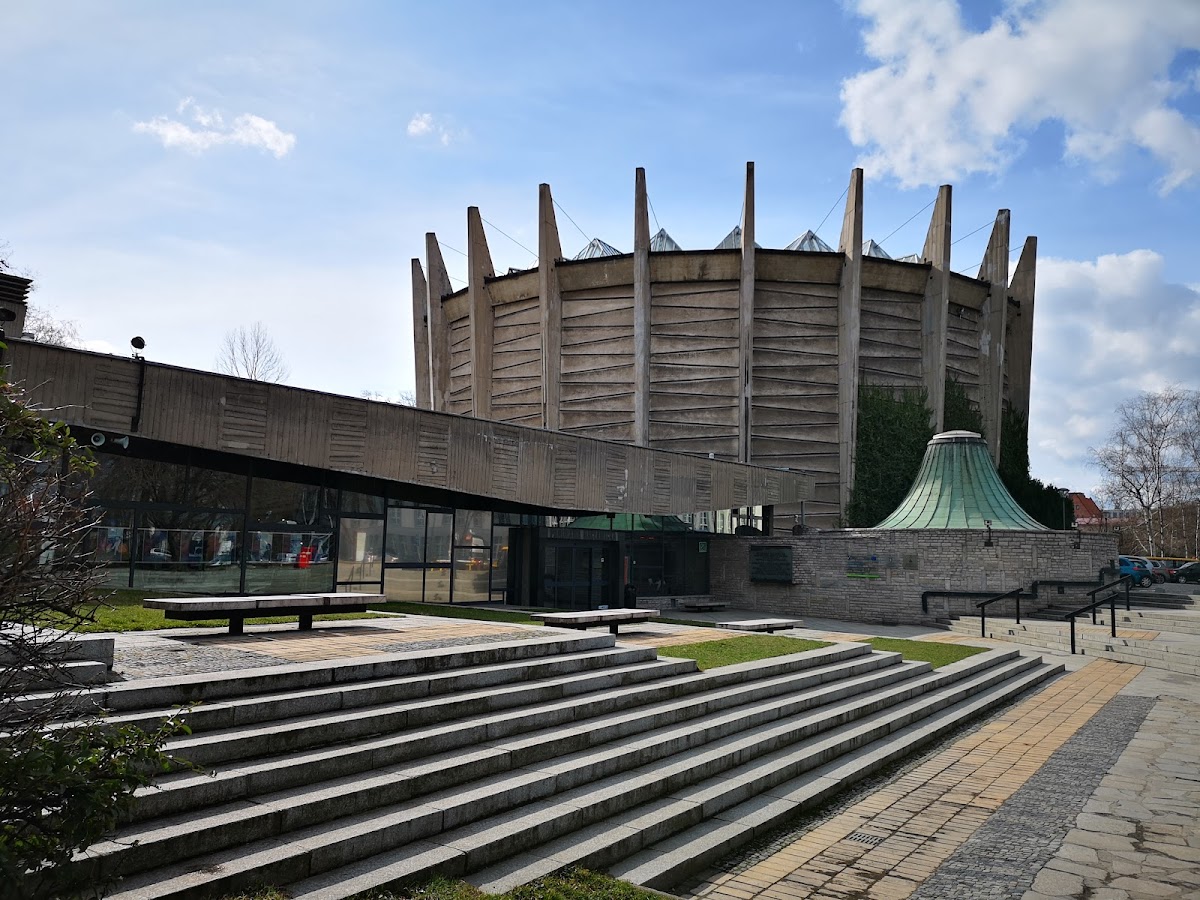
Raclawice Panorama: 360-Degree Battlefield in Wroclaw
Raclawice Panorama: 360-Degree Battlefield in Wroclaw
Wroclaw: A City of History and Culture
Wroclaw, a historic city in southwestern Poland, boasts over a millennium of history, shaped by Bohemian, Habsburg, Prussian, and German influences. Today, it stands as Poland's fourth-largest city and the heart of the Silesia region, characterized by its unique landscape of numerous bridges and islands along the Odra River.
Within this vibrant city, two distinct cultural institutions offer profound insights: the Racławice Panorama, an immersive 360-degree painting of a pivotal 1794 battle, and the Museum of Natural History at the University of Wrocław, a repository of natural science within the university campus.
The Racławice Panorama: An Immersive Historical Experience
Located at ul. Jana Ewangelisty Purkyniego 11, the Racławice Panorama is easily accessible from Wroclaw Central Station by tram. This purpose-built cylindrical structure, completed in 1894, houses a single, monumental oil painting. Measuring 114 meters long and 15 meters high, the panorama depicts the 1794 Battle of Racławice, a crucial event during the Kościuszko Uprising for Polish independence.
Artists Jan Styka and Wojciech Kossak, among others, worked for nine months from 1893 to 1894 to create this masterpiece. Visitors stand on a central viewing platform, surrounded by the painting, which seamlessly blends with foreground dioramas of real terrain and objects. This trompe l'oeil technique creates a powerful illusion, making viewers feel as if they are standing on the actual battlefield, witnessing the dynamic clash between Polish peasant forces and Russian troops. The narrative, enriched by English audio guides, highlights the historical significance and the spirit of patriotism.
University of Wrocław Museum of Natural History: A Journey Through Earth's Life
A short 15-20 minute walk from the Racławice Panorama, at Henryka Sienkiewicza 21, lies the Museum of Natural History at the University of Wrocław. Established in 1811 with the university, this museum serves as a vital center for research, education, and public engagement with the natural world.
The museum's extensive collections span zoology, botany, and geology, tracing the history of life on Earth from its origins to the present. Highlights include impressive dinosaur skeletons, such as the Tyrannosaurus Rex, and a vast array of meticulously preserved animal specimens, from African lions to Arctic bears, displayed in realistic dioramas. Detailed insect collections, botanical exhibits showcasing diverse plant species, and glittering mineral and rock displays further enrich the visitor's understanding of Earth's biodiversity and geological processes. The museum offers an engaging educational experience for all ages, fostering a deeper appreciation for the wonders of nature.
Visitor Information
For the Racławice Panorama, adult admission is 35 PLN. Operating hours are Tuesday to Sunday, 09:00-17:00, with Mondays closed; seasonal variations may apply, so checking the official website is recommended. Due to timed entry and limited capacity, online advance booking is strongly advised, especially on weekends and during peak season. A visit typically lasts 1-2 hours.
For the Museum of Natural History, adult admission ranges from 10-20 PLN. It is closed on Mondays, open Tuesday to Friday from 09:00-16:30, and Saturday to Sunday from 10:00-17:30. University museum hours can vary between semesters and holidays, so checking the official website is recommended. No advance booking is generally required for individual visits. A visit usually takes 30 minutes to 1 hour.
Both museums are centrally located, offering easy access to Wroclaw's culinary scene. The Old Town Square area, in particular, features numerous restaurants and cafes serving traditional Polish dishes like Pierogi, Żurek, and Bigos, alongside international cuisine.
Visitor Info
| Admission | Adult 35 PLN |
| Hours | Translating |
| Location | ul. Jana Ewangelisty Purkyniego 11, 50-155 Wroclaw |
| Getting There | Translating |
| Estimated Visit | 1~2hr |