14-day Nordic art museum pilgrimage: from Copenhagen to Tallinn
14-day Nordic art museum pilgrimage: from Copenhagen to Tallinn
Nordic Art Museum Pilgrimage: Copenhagen to Tallinn (June 16-20, 2026)
This report details a 14-day art museum pilgrimage across four Nordic cities from June 16 to 20, 2026. The journey included 4 days in Copenhagen, 3 days in Stockholm, 5 days in Helsinki, and 2 days in Tallinn, visiting a total of 13 museums. Transportation between cities involved an overnight train from Copenhagen to Stockholm, a Silja Line ferry from Stockholm to Helsinki, and a 2-hour Tallink ferry from Helsinki to Tallinn. The mid-June timing during the white nights season provided an optimal period for exploring art spaces integrated with the Nordic landscape.
Louisiana Museum of Modern Art, Humlebæk, Denmark
Located at Gl Strandvej 54, Humlebæk, north of Copenhagen, the Louisiana Museum of Modern Art is a prominent institution. It is accessible by a 35-minute train ride from Copenhagen Central Station, followed by a 10-minute walk from Humlebæk station. Recognized as a modernist landmark in Danish architecture, the museum is celebrated for its synthesis of art, architecture, and landscape, featuring an expansive sculpture park along the Øresund strait. It attracts over 700,000 visitors annually, making it Scandinavia's most visited modern and contemporary art museum.
The museum's architecture harmoniously blends traditional Danish housing styles with modern minimalism. Its interior exhibition spaces offer views of the sea and sculpture park through large windows. The outdoor sculpture park displays works by masters such as Alexander Calder, Henry Moore, and Richard Serra. The museum hosts 6 to 10 exhibitions annually, alongside a permanent display of Yayoi Kusama's 'Gleaming and Lights of the Souls.' Visitor information: Adults 145 DKK, under 18 free. Open Tuesday-Friday 11:00-22:00, Saturday-Sunday 11:00-18:00. Closed Mondays.
Designmuseum Danmark, Copenhagen, Denmark
The Danish Design Museum, located at Bredgade 68, Copenhagen K, is a national museum for design and applied art. It is a 5-minute walk from Østerport Metro/S-train station. Housed in a magnificent rococo building, the museum showcases a comprehensive collection spanning furniture, industrial design, fashion, and graphic design. It serves as a vital institution for preserving, researching, and exhibiting the rich heritage and contemporary developments of Danish design.
The museum highlights the Danish design philosophy, which simultaneously pursues functionality, aesthetics, and human-centered values. Exhibits include iconic pieces like Arne Jacobsen's chairs and Poul Henningsen's lamps, demonstrating how Danish design enriches everyday life. Visitor information: Adults 140 DKK, under 18 free, under 27/students 90 DKK. Open Tuesday-Wednesday 10:00-18:00, Thursday 10:00-20:00, Friday-Sunday 10:00-18:00. Closed Mondays.
Gammel Strand, Copenhagen, Denmark
Gammel Strand, a contemporary art institution, is situated at Gammel Strand 48, Copenhagen K, a 1-minute walk from Gammel Strand Metro station. Located amidst historical buildings along the canal, this institution has served as a significant hub for the Danish art scene since an art association was established in a historic church building in 1825. Its unique architectural setting and commitment to innovative art solidify its status as a key cultural institution in Denmark and Europe.
Gammel Strand presents a dynamic program of exhibitions featuring both established and emerging international artists, fostering critical dialogue on current artistic practices. Exhibitions trace the development of Danish art from the 19th-century Golden Age to the present. The blend of old brick and wooden floors with modern installations creates a distinctive atmosphere where past and present intersect. Visitor information: Adults 100 DKK, under 27 75 DKK. Open Tuesday-Sunday 11:00-17:00 (Wednesday until 20:00). Closed Mondays.
Copenhagen Contemporary, Copenhagen, Denmark
Copenhagen Contemporary (CC) is located at Refshalevej 163E, Copenhagen, accessible by metro to Christianshavn followed by a walk or water bus. Housed in a former industrial building, CC provides a dynamic platform for established and emerging international artists, fostering dialogue and engagement with current artistic practices. Its flexible exhibition spaces and commitment to diverse media reinforce its role as a significant cultural hub within Copenhagen's vibrant art scene.
CC frequently showcases cutting-edge contemporary art, often featuring large-scale installations and immersive experiences. The vast industrial space is utilized for monumental works and media art. Immersive pieces, where light and sound envelop visitors in dark spaces, offer new perceptions of sight, sound, and space. Visitor information: Adults 120 DKK, under 18 free. Open Tuesday-Wednesday 11:00-18:00, Thursday 11:00-21:00, Friday-Sunday 11:00-18:00. Closed Mondays.
Fotografiska, Stockholm, Sweden
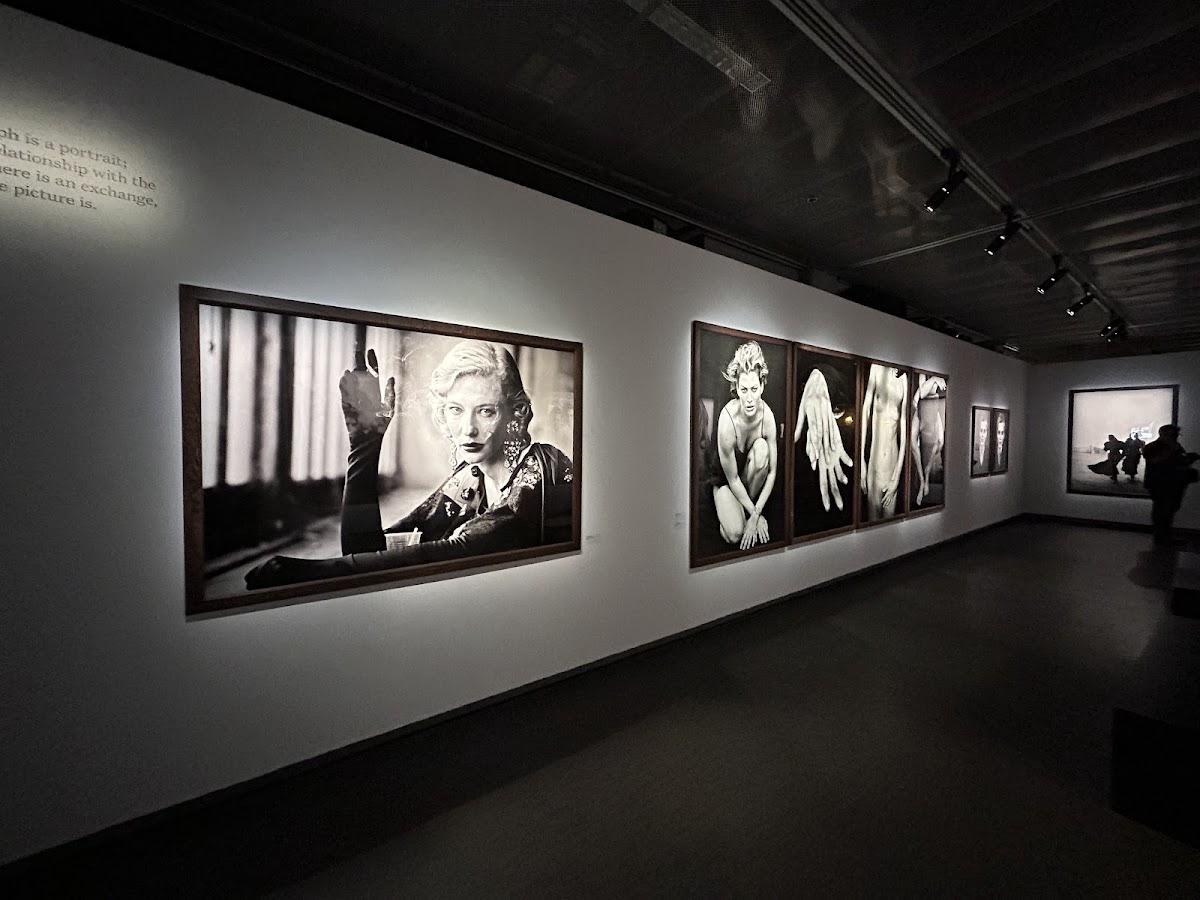
Fotografiska is situated at Fjällgatan 31, Stockholm, a 5-minute walk from T-bana Slussen station, along the waterfront. This institution transformed a beautiful red-brick building, which served as a bank until the late 19th century, into a modern photography gallery. Its grand history harmoniously blends with contemporary aesthetics, captivating visitors. It transcends a mere photography museum, acting as a source of inspiration that offers new perspectives on the world.
Fotografiska presents innovative and moving works by world-renowned photographers, vividly capturing the diverse aspects of human life, society, and nature. Exhibitions across multiple floors feature various themes and viewpoints, conveying timeless messages. Documentary photography exploring human interiority and landscape photography capturing the sublime beauty of nature are particularly striking. The museum challenges viewers to contemplate the questions photography poses and the emotions it evokes. Visitor information: Adults 220 SEK, students 170 SEK. Open daily 09:00-23:00.
Kiasma, Helsinki, Finland
Kiasma, the Museum of Contemporary Art, is located at Mannerheiminaukio 1, Helsinki, a 5-minute walk from Helsinki Central Station. This institution is dedicated to exhibiting and collecting contemporary art from Finland and abroad. Its striking architecture, designed by Steven Holl, is a city landmark, housing a dynamic exhibition program that engages with current artistic practices and critical discourse.
Kiasma plays a vital role in fostering dialogue around contemporary art both nationally and internationally. It features diverse installation art and performance art that encourage visitor participation and challenge conventional thinking. Works often deconstruct and reassemble everyday objects to assign new meanings or create surreal experiences through images and sounds projected onto large screens. Kiasma vividly showcases the boundless freedom and constantly evolving nature of contemporary art. Visitor information: Adults 15€, under 18 free. Open Tuesday 10:00-20:00, Wednesday-Thursday 10:00-18:00, Friday 10:00-20:00, Saturday-Sunday 10:00-17:00. Closed Mondays.
Amos Rex, Helsinki, Finland
Amos Rex is located at Mannerheimintie 24, Helsinki, a 3-minute walk from Helsinki Central Station. This unique underground museum is situated beneath Lasipalatsi Square. Named after publisher and arts patron Amos Anderson, it is an independent, privately funded contemporary art museum. Opened in 2018, it quickly gained international popularity, attracting over 10,000 visitors in weeks and approximately 250,000 annually.
Amos Rex presents a dynamic program of contemporary art, media art, and experimental installations. Dome-shaped skylights emerging from the ground of Lasipalatsi Square evoke curiosity before entry. Descending underground, visitors experience a mysterious sensation of entering a new world. The interior spaces are flexibly designed to adapt to diverse exhibition characteristics. The interplay of the dark underground environment and natural light filtering through the domes enhances immersion in the artworks. Visitor information: Adults 18€, students 8€, under 18 free. Open Monday 11:00-20:00, Wednesday-Friday 11:00-20:00, Saturday-Sunday 11:00-18:00. Closed Tuesdays.
HAM Helsinki Art Museum, Helsinki, Finland
HAM Helsinki Art Museum is located at Eteläinen Rautatiekatu 8, Helsinki, a 5-minute walk from Helsinki Central Station, adjacent to Temppeliaukio Church. Housed in part of the former Lasipalatsi (Glass Palace) building, it possesses a contemporary yet warm ambiance. It is a prominent institution dedicated to contemporary art, housing an extensive and diverse collection reflecting both Finnish and international artistic developments.
HAM actively engages with current artistic discourse through its exhibition program, serving as a vital hub for cultural exchange and artistic innovation within Helsinki and beyond. Its collection primarily consists of works owned by the City of Helsinki and features exhibitions by local artists. The museum focuses on art closely connected to the lives of Helsinki citizens rather than large-scale blockbuster exhibitions. Projects involving local residents and artworks depicting Helsinki's landscapes offer a comfortable immersion into the city's daily life. Visitor information: Adults 15€, under 18 free. Open Tuesday 10:00-17:00, Wednesday-Friday 11:00-19:00, Saturday-Sunday 11:00-17:00. Closed Mondays.
Finnish Museum of Photography, Helsinki, Finland
The Finnish Museum of Photography is located at Kaapeliaukio 3, Helsinki, approximately 600m from Ruoholahti station, within the intriguing industrial heritage complex of Kaapelitehdas (former Cable Factory). This national museum is dedicated to the art and history of photography in Finland, offering deep insights into Finnish photographic art and its unique perspective.
The museum houses an extensive collection encompassing historical photographic techniques and contemporary Finnish photographic art, serving as a vital center for research, exhibition, and public engagement with the medium. Exhibitions often feature works exploring the relationship between Finnish nature and humanity, capturing the harsh winter landscapes and the resilience of people living within them. The rich tones and textures in predominantly black-and-white photographs are notable. The museum demonstrates that Finnish photography transcends mere documentation, possessing deep philosophical messages and aesthetic value. Visitor information: Adults 15€, students 10€, free on the last Wednesday of each month. Open Tuesday-Friday 11:00-19:00, Saturday-Sunday 11:00-18:00. Closed Mondays.
Kumu Art Museum, Tallinn, Estonia
Kumu Art Museum is located at A. Weizenbergi tn 34, Tallinn, a 5-minute walk from Kadriorg tram stop (lines 1, 3), on the edge of the lush Kadriorg Park. As the main building of the Art Museum of Estonia, Kumu impresses visitors with its grand scale and unique architectural beauty. Designed by Finnish architect Pekka Puhakka, it is a masterpiece of modern architecture constructed from concrete and glass.
The building's sloping structure harmonizes with the park's topography, appearing as if a massive sculpture has emerged from the ground. Inside, high ceilings and expansive exhibition spaces are bathed in abundant natural light. Staircases, pathways, and hidden resting areas on each floor create an architectural journey within the museum. Kumu houses an extensive collection focusing on Estonian art from the 18th century to the present day, showcasing both historical national art and international contemporary exhibitions. Visitor information: Adults 8€, students 6€, free on Wednesdays 17:00-20:00. Open Tuesday-Wednesday 10:00-18:00, Thursday 10:00-20:00, Friday-Sunday 10:00-18:00. Closed Mondays.
Kadriorg Art Museum, Tallinn, Estonia
The Kadriorg Art Museum is situated at A. Weizenbergi 37, Tallinn, within the magnificent Kadriorg Palace. This Baroque palace was constructed in 1718 by Russian Tsar Peter the Great for his wife Catherine I, and the palace itself exemplifies 18th-century European aristocratic culture. The palace gardens are also considered among the most beautiful Baroque gardens in Estonia.
The museum houses an impressive collection of European and Russian paintings, sculptures, and prints from the 16th to 20th centuries. Particularly notable are works from the Dutch and Flemish Golden Age and a collection of portraits from the Russian Imperial era. The opulent halls and rooms of the palace, each decorated with distinct colors and ornaments, create a perfect harmony between the artworks and their surroundings. Kadriorg Palace and its museum serve as a valuable site for understanding Estonia's complex history and a chapter of European art history simultaneously. Visitor information: Open Tuesday-Wednesday 10:00-18:00, Wednesday 10:00-20:00, Thursday-Sunday 10:00-18:00. Closed Mondays. Official website recommended for current details.
Kai Art Center, Tallinn, Estonia
Kai Art Center is located at Peetri tn 12, Tallinn, approximately a 10-minute bus ride from the Old Town, in the Pirita Harbor area. This contemporary cultural space, converted from a former submarine factory building, boasts architectural charm akin to an artwork itself. It creates a unique atmosphere where traces of rugged industrial facilities blend with sophisticated modern design.
The red-brick exterior and massive steel structures evoke tales of past glory, while the interior is filled with natural light streaming through high ceilings and large windows, offering a sense of openness. The center is dedicated to presenting a diverse program of exhibitions, performances, and educational events, focusing on contemporary art and its intersections with culture and society. Facing the sea at Pirita Harbor, artworks displayed with the light from the large windows overlooking the sea appear even more vibrant. Kai Art Center plays a vital role in the Estonian and Baltic art scenes. Visitor information: Adults 10€, students 5€. Open Wednesday-Sunday 12:00-18:00. Closed Mondays and Tuesdays. Closed for the entire month of August.
Fotografiska Tallinn, Tallinn, Estonia
Fotografiska Tallinn is located at Telliskivi 60a/8, Tallinn, a 10-minute walk from Tallinn station, within the Telliskivi Creative City. Situated at the entrance to Tallinn's historic Old Town, in a former market building harmonizing with medieval city walls, it creates a distinctive ambiance. The blend of the building's aged exterior and contemporary photographic art forms a unique historical context.
This prominent photography museum showcases a diverse range of photographic art. It presents both established masters and emerging talents, fostering a dynamic dialogue between contemporary visual culture and historical photographic movements. Exhibitions illuminating both Estonian photographic history and contemporary trends aid in understanding the country's cultural identity. Documentary photographs capturing social changes after Estonia's independence and works by artists grappling with tradition and modernity are particularly striking. Visitor information: Adults 15€, students 10€. Open daily 10:00-22:00.
Visitor Info
| Translating | Translating |
| Translating | Translating |
| Translating | Translating |
| Translating | Translating |
| Translating | Translating |