Museums of War and Peace: From Eastern Europe to Asia
Museums of War and Peace: From Eastern Europe to Asia
Journey Through Museums of War and Peace: A Field Record from June 16-20, 2026
This record details a five-day visit from June 16 to 20, 2026, to five museums across Eastern Europe and Asia, each dedicated to war and peace. These institutions in Gdańsk, Ho Chi Minh City, Hiroshima, Seoul, and Berlin offer unique perspectives on conflict's tragedies and peace's importance. The journey aimed to document how these museums confront humanity's painful past and convey messages of peace to future generations, focusing on their locations, establishment, collections, architecture, and visitor experiences.
Museum of the Second World War, Gdańsk, Poland
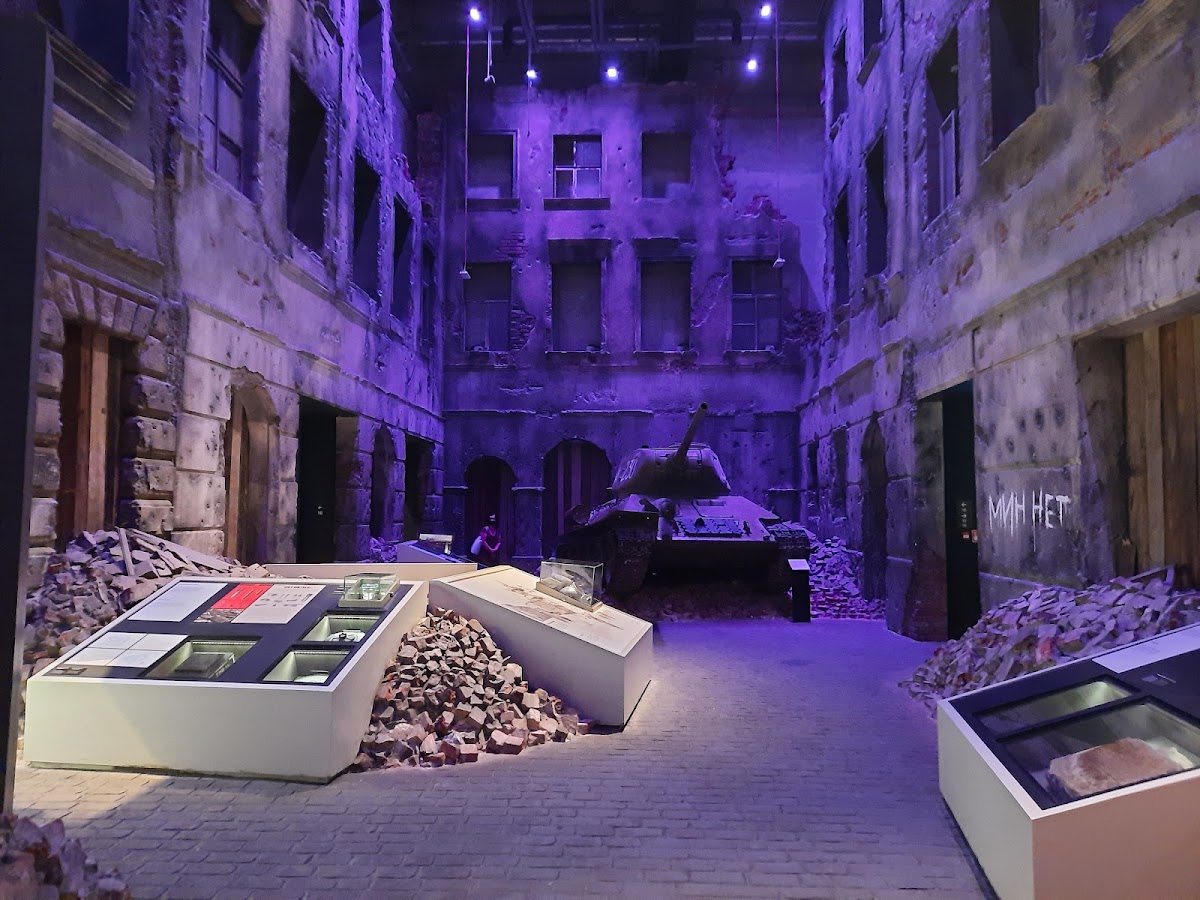
Opened in 2017 at plac Władysława Bartoszewskiego 1, Gdańsk, this museum's architecture resembles a massive rock with a red glass tower, symbolizing war's scars. Its main, subterranean exhibitions immerse visitors in the grim reality of WWII, using dark passages and concrete walls to evoke tension, while interspersed light signifies hope. It highlights Poland's role as a starting point and the human cost of the war.
Admission: 30 PLN (adults). Open daily 10:00-18:00. Located a 15-minute walk from Gdańsk Główny.
War Remnants Museum, Ho Chi Minh City, Vietnam
Established in 1975 at 28 Võ Văn Tần, Ho Chi Minh City, this museum graphically portrays the Vietnam War's atrocities. Its exhibits, including over 20,000 artifacts like tanks and helicopters, and especially the shocking photographs and Agent Orange displays, offer an unvarnished look at the war's devastating impact on civilians and subsequent generations. It serves as a powerful reminder of suffering and the importance of peace.
Admission: 2,000 VND. Open daily 07:30-12:00 and 13:30-17:00. Centrally located and accessible by bus.
Hiroshima Peace Memorial Museum, Hiroshima, Japan
Opened in 1955 at 1-2 Nakajimacho, Hiroshima, within the Peace Memorial Park, this museum is a solemn testament to the 1945 atomic bombing. Its exhibits feature personal artifacts like a child's melted tricycle and a clock stopped at 8:15 AM, conveying immense suffering and a powerful plea for nuclear disarmament. The museum fosters a commitment to preventing future tragedies.
Admission: ¥200 (adults). Open 9:00-17:00 (extended to 18:00 Mar-Nov). Closed Dec 30-Jan 1. Accessible by tram to the 'A-bomb Dome' stop.
War Memorial of Korea, Seoul, South Korea
Located at 29 Itaewon-ro, Yongsan-gu, Seoul, this memorial, opened in 1994, is a vital center for understanding the Korean War and promoting peace. It covers Korea's military history, focusing on the Korean War's international context and UN forces' sacrifices. Exhibits include battle recreations, refugee hardships, and a memorial for fallen soldiers. An extensive outdoor display features large military vehicles.
Admission: Free. Open Tue-Sun 09:30-18:00 (last entry 17:30). Closed Mondays. A 3-5 minute walk from Samgakji Station.
DDR Museum, Berlin, Germany
Situated at Karl-Liebknecht-Str. 3, Berlin, near Museum Island, the DDR Museum offers an immersive experience into daily life in East Germany (1949-1990). It recreates apartments, shops, and schools, with interactive exhibits like a Trabant driving simulation. Displays on surveillance highlight the era's strict controls. The museum connects Berlin's divided past with its unified present, underscoring the value of freedom.
Admission: 12.50€ (adults). Open daily 09:00-21:00. A 5-minute walk from S-Bahn Hackescher Markt station. Recommended visit time: 1.5-2 hours.
Visitor Info
| Translating | Translating |
| Translating | Translating |
| Translating | Translating |
| Translating | Translating |
| Translating | Translating |