Where Impression, Sunrise Lives in Paris
Where Impression, Sunrise Lives in Paris
Musée Marmottan Monet — A Parisian Gem in the 16th Arrondissement
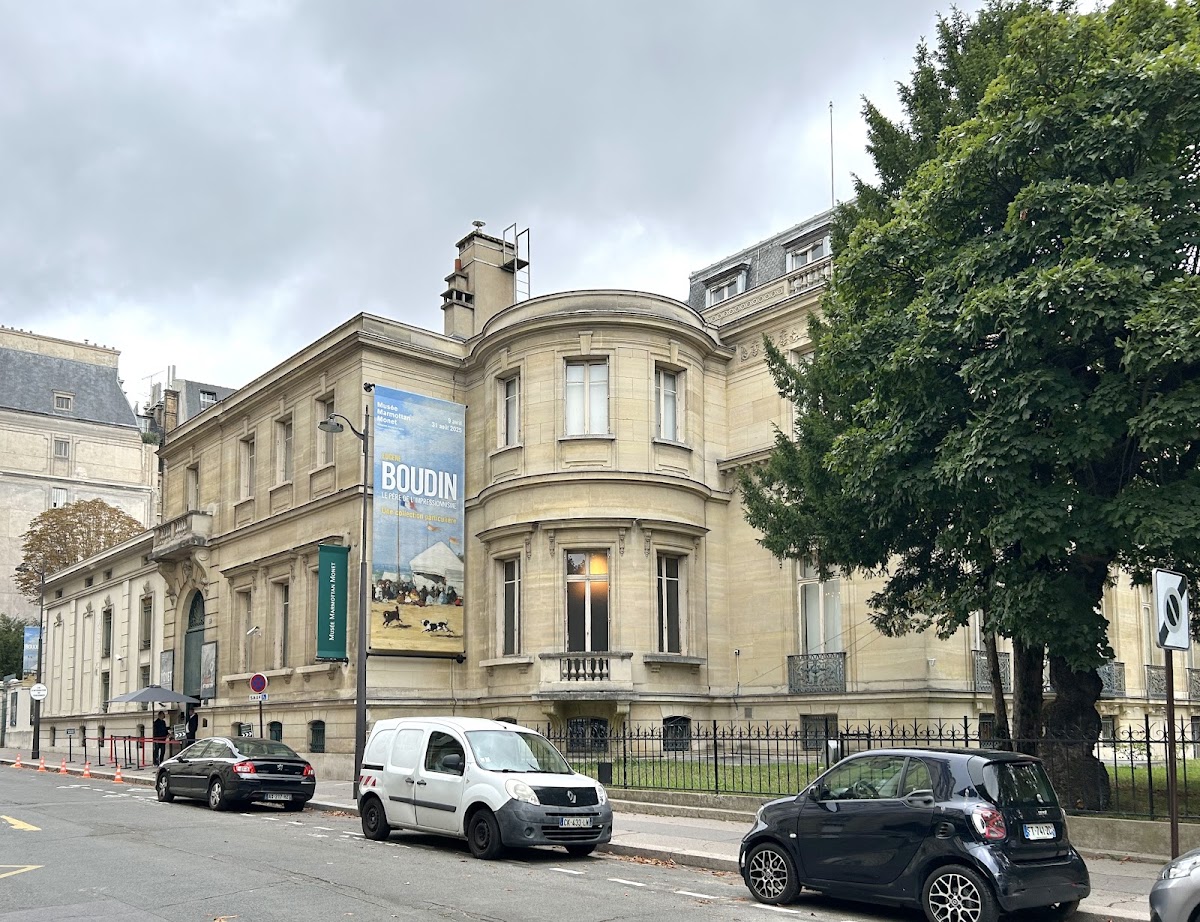
Located at 2 Rue Louis Boilly in Paris's serene 16th arrondissement, the Musée Marmottan Monet stands near the eastern edge of the Bois de Boulogne. This private museum, housed in a former 19th-century hunting lodge, is renowned for holding the world's most extensive collection of works by Claude Monet, including his iconic painting, Impression, Sunrise (1872), which gave the Impressionist movement its name.
The museum is easily accessible, approximately an 8-minute walk east from La Muette station on Metro Line 9. The path to the museum often takes visitors through the pleasant Jardin du Ranelagh, offering a tranquil approach away from the city's bustle.
From Private Lodge to Public Museum — A History of Philanthropy
The building's history dates back to 1882 when art historian and collector Paul Marmottan (1856-1932) acquired it as a hunting lodge and a repository for his vast personal collection. Upon his death in 1932, Marmottan bequeathed his entire collection and the lodge to the French Académie des Beaux-Arts, leading to its opening as a public museum in 1934.
A pivotal moment occurred in 1966 when Michel Monet (1878-1966), Claude Monet's second son, donated over 100 of his father's personal paintings to the museum. This significant gift transformed the Marmottan into the world's leading institution for Claude Monet's works, showcasing his artistic journey from early pieces to his monumental late Water Lilies series.
Highlights of the Collection — Monet and Beyond
The museum's collection boasts over 300 works by Claude Monet, offering an unparalleled insight into his artistic evolution. The centerpiece is Impression, Sunrise (1872), displayed prominently in the underground Monet gallery. This painting, depicting the sunrise over Le Havre harbor, was famously critiqued by Louis Leroy, whose sarcastic remarks inadvertently named the Impressionist movement.
Also featured are Monet's late Water Lilies series, with 8 to 10 large canvases encircling a dedicated room. These works, inspired by his Giverny garden, demonstrate his abstract exploration of light and color. Visitors can also find a substantial collection of works by Berthe Morisot (1841-1895), one of the most important female Impressionist painters, and pieces by other contemporaries like Edgar Degas, Alfred Sisley, and Camille Pissarro.
Paul Marmottan's Legacy — Medieval Manuscripts
Beyond Impressionism, the museum preserves Paul Marmottan's original collection, including approximately 300 medieval illuminated manuscripts dating from the 13th to 16th centuries. This collection offers a fascinating contrast to the Impressionist works, reflecting Marmottan's broad art historical interests and providing a glimpse into medieval European artistry.
Visiting Information and Tips
The Musée Marmottan Monet is open Tuesday to Sunday from 10:00 AM to 6:00 PM, with extended hours until 9:00 PM on Thursdays. It is closed on Mondays. Admission is €14 for adults. A visit typically lasts 1.5 to 2 hours.
For the best viewing experience of Impression, Sunrise, which is displayed with natural light, a late morning visit is recommended. To fully immerse in Monet's world, consider pairing your visit with the large-scale Water Lilies panoramas at the Musée de l'Orangerie or a day trip to Monet's house and gardens in Giverny, located about 50 minutes by train from Paris.
Visitor Info
| Translating | Translating |
| Area | Translating |
| Admission | €14 |
| Hours | Translating |
| Getting There | Translating |
| Address | 2 Rue Louis Boilly, 75016 Paris, France |
| Official Site | https://www.marmottan.fr |