London's Hyperbolic Roof Reborn
London's Hyperbolic Roof Reborn
The Design Museum: A Modern Hub in a Historic Shell
The Design Museum, located in Kensington, West London, adjacent to Holland Park, stands at 224-238 Kensington High Street. It reopened in November 2016 in the repurposed 1962 Commonwealth Institute building, a significant relocation from its original 1989 site at Butler's Wharf. This move dramatically expanded its exhibition capabilities.
Architectural Legacy and Renovation
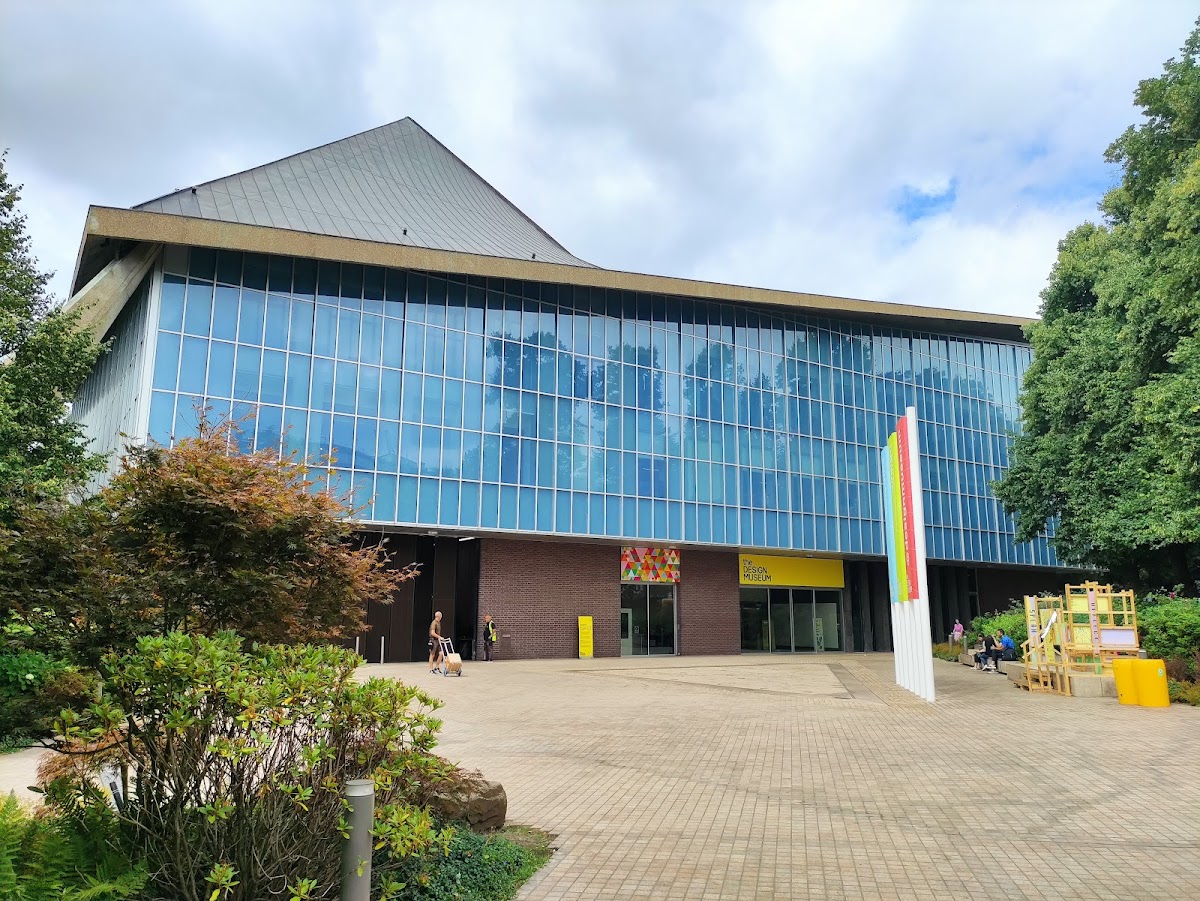
The building's most striking feature is its distinctive copper hyperbolic paraboloid roof, designed by architects Robert Matthew and Johnson-Marshall in 1962. This Grade II* listed structure, once dubbed "London's Faumatex" for its innovative design, was meticulously preserved during the museum's transformation.
Architect John Pawson led the renovation, collaborating with OMA and Allies and Morrison. The project involved retaining the iconic roof while replacing the original exterior walls with modern glass curtain walls. This creates a compelling visual dialogue between the historic copper canopy and a transparent, 21st-century enclosure.
Interior Spaces and Collection Highlights
Inside, the six-story museum features a grand four-story central atrium. From this central space, visitors can look upwards to admire the intricate structure and copper texture of the preserved roof, a signature experience of the museum visit.
The Design Museum houses a permanent collection of approximately 3,000 objects, encompassing industrial, graphic, fashion, architectural, and digital design from the 20th and 21st centuries. This collection explores design's profound impact on society and culture.
Exhibitions and Programs
The permanent exhibition, "Designer Maker User," offers free admission and explores design through the perspectives of the designer, maker, and user. It showcases around 100 iconic 20th-century designs, including Harry Beck's 1931 London Underground map, the 1984 Apple Macintosh, and the 2012 Olympic torch.
The museum hosts four major temporary exhibitions annually, covering diverse subjects from Pantone and Sony to Banksy and Hayao Miyazaki. It also features the "Designer of the Year" award winners and nominees year-round, highlighting cutting-edge contemporary design. The annual "Beazley Designs of the Year" exhibition celebrates about 100 innovative global designs, reflecting current trends such as pandemic response masks (2020) and AI architectural tools (2023).
The Swarovski Foundation Centre in the basement provides dedicated space for design education, offering workshops for students and the public. The dynamic central atrium frequently features large-scale installations, making it a popular spot for photography and social media.
Visitor Amenities and Surroundings
The museum's shop is a curated retail space showcasing the latest in British design, with products from designers like Tom Dixon and Vivienne Westwood. The cafe, designed by Ilse Crawford, offers a stylish setting to enjoy refreshments, with views of the iconic roof above.
Located adjacent to the beautiful Holland Park, the museum provides an excellent opportunity to combine a visit with a stroll through the park or the tranquil Kyoto Garden, just a 5-minute walk away. This allows visitors to enjoy both contemporary design and natural beauty.
Practical Information
The Design Museum London is open daily from 10:00 to 18:00, with last entry at 17:00. While permanent exhibitions are free, special exhibitions are ticketed. Adult admission is £13.20, with concessions for students and seniors at £11.00, and free entry for children under 12. Online booking is recommended.
The nearest tube station is High Street Kensington (Circle and District lines), with numerous bus routes serving the area. Holland Park station (Central line) is also within a 10-minute walk. Visitors are advised to check the official website for the latest information.
Visitor Info
| Translating | Translating |
| Area | Translating |
| Admission | Translating |
| Hours | Translating |
| Getting There | Translating |