How Light Moves Through White Curves
How Light Moves Through White Curves
Mimesis Art Museum in Paju Book City
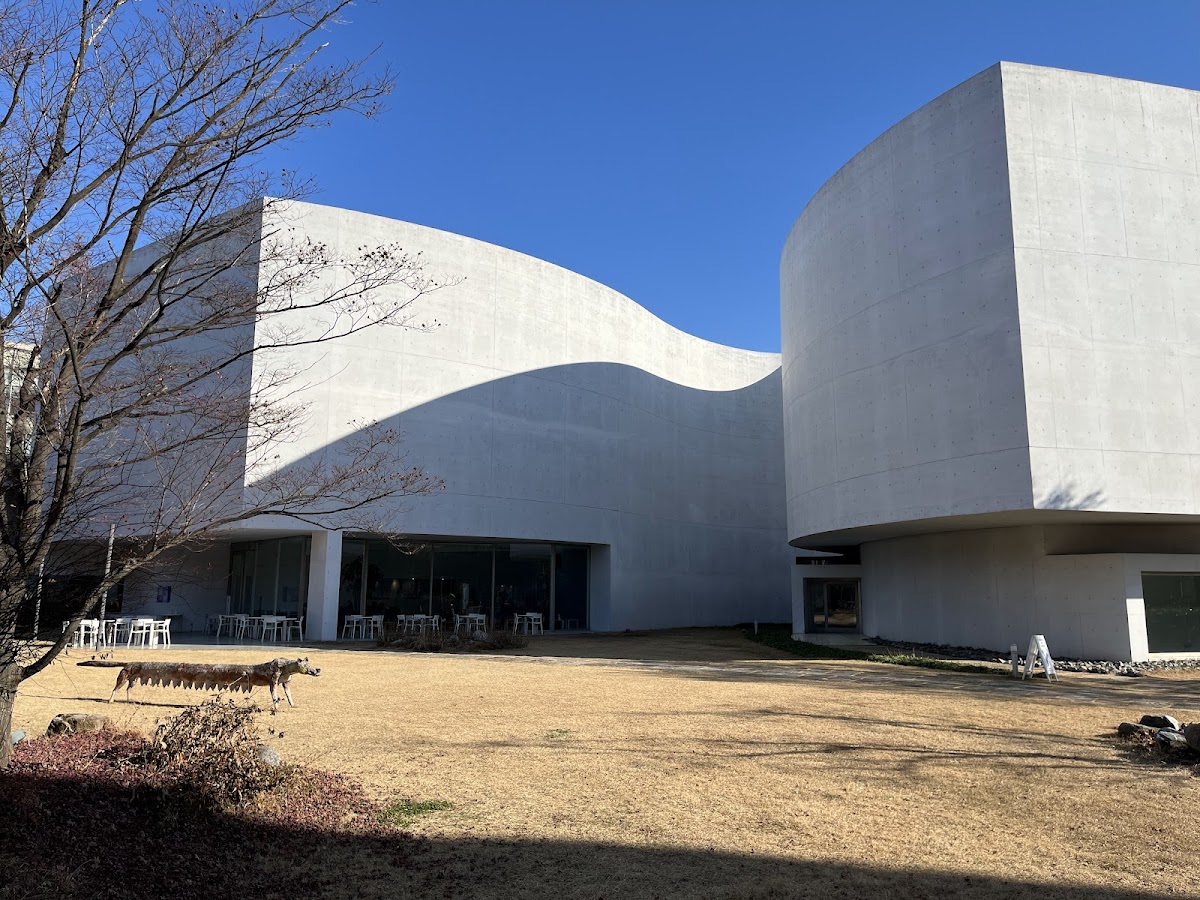
Mimesis Art Museum stands in Paju Book City, a publishing district north-west of Seoul where architecture, books, printing, and design share the same streets. The museum does not reveal a single monumental front at once. Visitors approach along pale concrete walls and gradually discover two sculptural masses joined by a flowing curve.
This slow reveal matters because the museum is best understood by walking rather than by looking at one photograph. The route toward the entrance frames strips of sky, garden, and concrete in succession. Before any artwork appears, the building has already adjusted the visitor's pace and attention.
Alvaro Siza and the White Concrete Curves
The museum was designed by Portuguese architect Alvaro Siza, whose work often turns apparently simple walls, stairs, and openings into carefully measured sequences. At Mimesis, white and pale-grey surfaces bend without decorative excess. Their scale feels heavy from a distance, yet the curves keep the building from becoming static.
The same wall changes with position and weather. Direct sunlight makes an edge crisp, while a cloudy sky softens the room into a field of muted grey. Seen up close, the surfaces reveal texture and small variations that disappear in the building's clean overall silhouette. Architecture here is not a neutral container; it is an active part of the museum visit.
Natural Light as Part of the Exhibition
Daylight enters through skylights, high openings, and concealed gaps rather than through a single dominant window. It is reflected across walls and ceilings before reaching the galleries. This filtered light gives the rooms a quiet brightness and lets the atmosphere change gradually from morning to afternoon.
Artificial lighting still protects and clarifies the artworks, but it does not erase the time of day. A passing cloud can lower the tone of an entire room, and a shifting sun can lengthen a shadow along a curved wall. The result is a museum where the same exhibition may feel different on a clear winter morning and on an overcast summer afternoon.
Stairs, Windows, and Changing Viewpoints
The stairs at Mimesis are more than circulation. Their width, direction, and landings repeatedly change what can be seen. One distinctive first step reverses the familiar relationship between tread and riser, a small Siza detail that makes visitors notice the act of climbing. Between the second and third floors, a circular skylight brings architecture, artwork, and movement into one frame.
From the open second-floor viewpoint, spaces that seemed separate begin to connect. Visitors can look back over lower galleries, trace the curve of an opposite wall, and understand how the two concrete masses fit together. Large windows frame the garden as a changing image, while a tree rising from a lower level shows how the building leaves room for nature instead of treating it as decoration.
Contemporary Art Inside a Strong Building
A museum with memorable architecture can easily overwhelm its exhibitions. Mimesis works with that tension rather than hiding it. Some rooms let the wall and skylight take the lead; others lower the ceiling or concentrate the lighting so that attention returns to a painting, sculpture, or installation.
The changing density of the displays affects the pace of viewing. Wide gaps allow the curve of a wall and the fall of light to remain visible, while closely arranged works shorten the visitor's steps. Art becomes a way to measure the building, and the building changes how the space around each artwork is perceived.
Planning a Visit from Seoul or Paju
Mimesis Art Museum works well as part of a half-day visit to Paju Book City. After the galleries, the museum's book and art shop and cafe extend the connection between publishing, architecture, and contemporary art. Walking through the surrounding district afterward often makes its varied facades, windows, and street widths newly noticeable.
Allow at least ninety minutes if architecture is part of the reason for visiting. Moving quickly through the rooms leaves only the famous white exterior in memory. Pausing at a wall, looking back from the floor above, and comparing indoor light with the garden outside reveals why this Alvaro Siza museum rewards a slower route.
Visit Info
- Address: 경기도 파주시 문발로 253
- Hours: 매일 10:00-19:00. 정규 휴관일은 없으나 임시 휴관은 공식 공지 확인
- Fee: 성인 11,000원, 초등학생 5,000원, 중·고등학생 8,000원, 7세 이하 무료. 할인 대상은 공식 안내 확인
- Transport: 합정역에서 2200번 버스 이용 후 롯데프리미엄아울렛 또는 이채쇼핑몰 정류장에서 도보 약 5분
- Time needed: 약 1시간 30분-2시간, 파주출판도시 산책과 묶으면 반나절
- Website: https://mimesisartmuseum.co.kr/
Visitor Info
| Address | Translating |
| Hours | Translating |
| Admission | Translating |
| Getting There | Translating |
| Duration | Translating |
| Translating | https://mimesisartmuseum.co.kr/ |