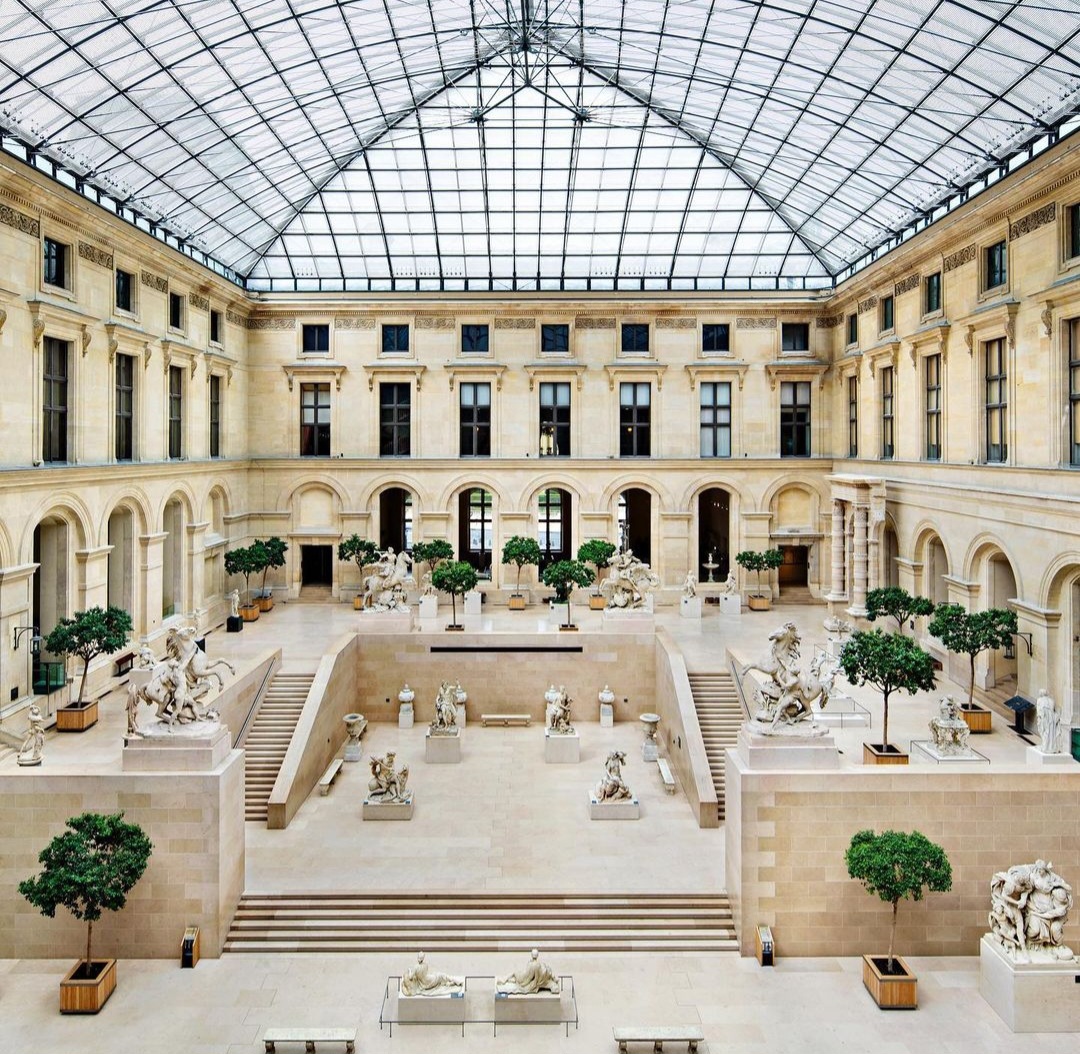
Museums at Dusk: An Intimate Dialogue with Art, The Aesthetics of a Different Face at Night
Museums at Dusk: An Intimate Dialogue with Art, The Aesthetics of a Different Face at Night
Museums at Dusk: A Unique Encounter with Art
This expedition log details visits to the Metropolitan Museum of Art in New York on June 16, 2026, and the Louvre Museum in Paris on June 20, 2026. Night openings at these institutions offer a distinct, quieter atmosphere compared to daytime visits, allowing for a more intimate engagement with the artworks. The focus is on experiencing the true essence of each piece in the tranquility of the evening.
The Metropolitan Museum of Art: A Grand Presence on Fifth Avenue
Located at 1000 5th Ave, New York, the Metropolitan Museum of Art stands majestically on the eastern edge of Central Park. It is accessible via subway lines 4, 5, 6 to 86th Street, followed by a 10-minute walk. With over 150 years of history and a collection exceeding 2 million items, The Met is a premier global art institution, encompassing art from ancient Egypt to contemporary works.
The museum's Neo-classical facade, with its grand staircase, evokes an ancient temple, preparing visitors for the profound experience within. The Great Hall, characterized by high ceilings and natural light, serves as a grand prelude to the diverse art and civilizations housed inside. Key architectural features include the Egyptian Wing's temple-like design, notably the Temple of Dendur in the Sackler Wing, which offers a unique view against the Central Park backdrop through its glass ceiling.
Medieval European galleries provide a serene, cloister-like ambiance, while the Asian art galleries feature open designs and tranquil gardens. The architecture itself enhances the visitor's journey, making each space an integral part of the artistic narrative.
The Louvre Museum: A Historic Landmark by the Seine
The Louvre Museum, situated at 5 bis Rue du Louvre, 75001 Paris, is a historical heart of the city, located by the Seine River. It is easily reached by Metro lines 1 or 7 to Palais Royal – Musée du Louvre station. Originally a 12th-century French royal palace, the Louvre boasts over 800 years of history and a vast collection of 35,000 artworks, spanning Egyptian, Mesopotamian, Greek, Roman, and Islamic art.
The iconic glass pyramid, completed in 1989, harmonizes modern design with the historic palace architecture, serving as a distinctive entrance. Inside, the former royal chambers now house extensive collections. Highlights include Leonardo da Vinci's 'Mona Lisa,' renowned for its enigmatic smile and sfumato technique, and the ancient Greek sculpture 'Venus de Milo,' celebrated for its perfect proportions and graceful form despite lacking arms.
Another prominent masterpiece is the 'Winged Victory of Samothrace,' dramatically positioned at the top of the Daru staircase. This sculpture captures a dynamic moment, symbolizing triumph and human aspiration, even without its head and arms. The Louvre's night openings offer a less crowded environment, allowing for a more focused and personal appreciation of these world-renowned masterpieces.
Visitor Information
The Metropolitan Museum of Art:
- Admission: $30 for adults (non-residents), $22 for seniors, $17 for students. Free for children under 12. Suggested admission for NY, NJ, CT residents.
- Hours: Sun, Mon, Tue, Thu: 10 AM - 5 PM. Fri, Sat: 10 AM - 9 PM. Closed Wed, Thanksgiving, Dec 25, Jan 1.
- Reservation: Strongly recommended online.
The Louvre Museum:
- Admission: Approximately €22 for adults. Free for under 18s and EU residents under 26.
- Hours: Mon, Wed, Thu, Sat, Sun: 9 AM - 6 PM. Fri: 9 AM - 9:45 PM (Night opening). Closed Tue, Jan 1, May 1, Dec 25.
- Reservation: Online reservation is mandatory.
Visitor Info
| Estimated Visit | Translating |
| Translating | Translating |
| Translating | Translating |
| Recommended Route | Translating |