Pinacoteca di Massa Fermana — Hidden Renaissance in the Italian Countryside
Italy’s central Marche region, stretching long and lean with its back to the Adriatic, may not boast the flashy renown of Tuscany or Umbria. Yet, it is here, I often tell fellow travelers, that you truly encounter the authentic heartbeat of Italy. Tucked deep within the rolling hills of Marche, the tiny village of Massa Fermana holds a secret: its Pinacoteca, or art gallery, remains one of the most memorable discoveries of my many cultural explorations. Escaping the clamor of major cities, in this quiet hamlet that seems to defy the rush of time, I experienced the very breath of the Renaissance. It was like following a whispered map to a forgotten treasure chest; behind its unassuming facade, the Pinacoteca di Massa Fermana cradled a brilliant trove of art.
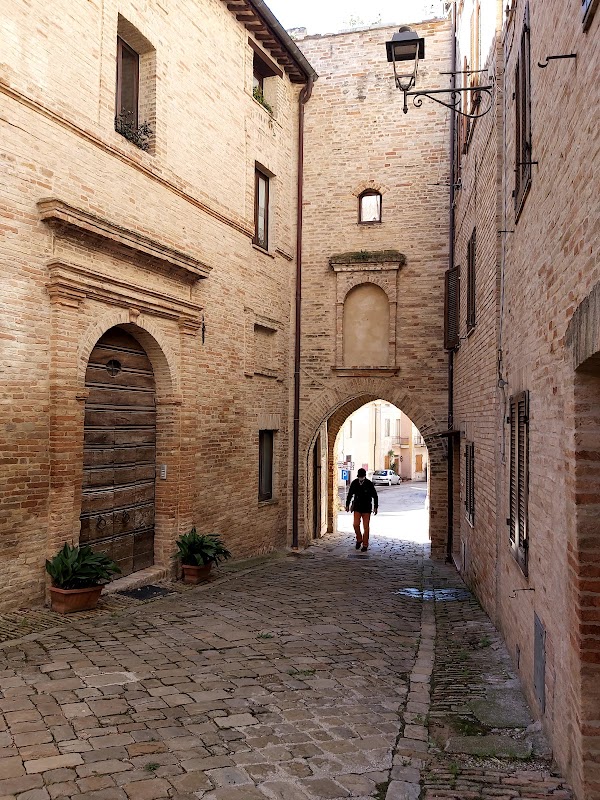
The journey itself was a prelude to the magic. My rental car wound through landscapes that felt painted by a master — ochre fields giving way to vineyards, medieval hamlets clinging to hilltops, and the air thick with the scent of cypress and olive groves. There’s a profound peace that settles over you as you leave the well-trodden paths for the quieter routes of the Marche hinterland. Massa Fermana emerged, a cluster of ancient stone houses crowned by a clock tower, its main square echoing with nothing but the distant chirping of cicadas. The Pinacoteca is housed within the venerable Palazzo Comunale, the town hall, a building that itself whispers stories of centuries past. Stepping inside, away from the midday sun, I was immediately enveloped by a cool, reverent silence.
The first gallery room unfolded before me, not with the overwhelming grandeur of a major museum, but with an intimate revelation. Here, the masterpieces were not behind ropes, guarded by throngs, but presented almost as if for my private viewing. My gaze was immediately drawn to the works of Vincenzo Pagani, a local luminary of the 16th century whose vibrant brushstrokes captured the spiritual fervor of his era. His "Madonna della Misericordia" (Our Lady of Mercy) is a breathtaking testament to both faith and artistry. The Madonna, a figure of serene grace, opens her voluminous blue cloak, offering sanctuary to a gathering of supplicants – men, women, and children, each face distinct in its plea and hope. The richness of the pigments, the delicate play of light and shadow on their robes, and the profound human emotion conveyed in every gesture transported me directly into the heart of Renaissance piety. It was a painting commissioned for the community, a protector and comforter, and in that quiet room, it felt as though it was still performing that sacred role, just for me.
Further along, the earlier, more Gothic influences of artists like Vittore Crivelli offered a fascinating contrast. His "Madonna and Child" captivated me with its intricate gold tooling, the almost Byzantine stiffness of the figures, and the solemn, knowing gaze of the Christ Child. Crivelli’s attention to detail, from the delicate pearls adorning the Madonna’s gown to the tiny, lifelike fingers of the infant, spoke of a meticulous devotion. Seeing these works, created centuries ago for the very community that still thrives around them, evoked a powerful connection to the past. It wasn't just about admiring art; it was about understanding the cultural and spiritual fabric of a place, experiencing the tangible legacy of patrons and artists who poured their souls into these creations, far from the Medici courts.
The Pinacoteca is a compact collection, yet each piece is a gem, carefully curated to tell the story of art in this specific corner of Marche. From wooden crucifixes imbued with stark realism to intricate polyptychs that once adorned village altars, the collection speaks volumes about the region’s artistic prowess and its enduring faith. I spent a long, unhurried hour there, soaking in the details, letting my eyes trace the lines and colors, feeling the weight of history in the quiet air. It was a profound reminder that true beauty and significant history are not always found in grand, advertised locations, but often in the unassuming corners, waiting patiently to be discovered by those willing to wander a little further. The Pinacoteca di Massa Fermana is more than just a museum; it's a window into the soul of the Italian Renaissance, preserved with loving care in a place where time truly feels different.
Practical Tips
The Pinacoteca di Massa Fermana is located in the charming hilltop village of Massa Fermana, in the province of Fermo, Marche, Italy.
Getting There: The most convenient way to reach Massa Fermana and its Pinacoteca is by car. From the A14 Adriatica highway, take the Porto Sant'Elpidio or Civitanova Marche exit, then follow inland signs towards Amandola or Fermo, eventually turning off for Massa Fermana. The journey through the Marche countryside is scenic and part of the experience. Public transport options are very limited; local bus services exist but are infrequent and often do not connect directly to major hubs.
Opening Hours: As a smaller municipal museum, opening hours can be variable. Typically, the Pinacoteca operates during morning hours on weekdays and sometimes for a few hours on weekend afternoons. It is highly recommended to check the official website of the Comune di Massa Fermana or call the municipal office directly before your visit to confirm current opening times, especially as they may change seasonally or be by appointment.
Admission: Entry to the Pinacoteca is usually very affordable, often just a few euros. This modest fee contributes directly to the maintenance and preservation of this precious local heritage.
Best Time to Visit: Spring (April-May) and early autumn (September-October) offer pleasant weather for exploring the Marche region and fewer crowds. Visiting on a weekday morning generally ensures a tranquil and unhurried experience, allowing for intimate appreciation of the artworks.
Nearby Attractions: After visiting the Pinacoteca, take time to wander through the medieval streets of Massa Fermana itself. The wider Fermo province boasts numerous other picturesque hilltop towns, such as Fermo, Loro Piceno, and Monterubbiano, each offering their own historical sites, local art, and gastronomic delights. Seek out a local trattoria for authentic Marche cuisine, known for its fresh pasta, cured meats, and robust wines.
Visitor Info
| Location | Massa Fermana (FM), Le Marche, Italy |
| Hours | 방문 전 reservation 권장 |
| Admission | €3 |
| Highlights | Carlo Crivelli 원작 |
| Estimated Visit | 30min-1hr |
Featured Works
Carlo Crivelli
The Annunciation (Crivelli)
크리벨리의 정교한 장식적 수태고지 (1486)