Art Odyssey on the Côte d'Azur: Following the Light of Matisse and Chagall from Nice to Saint-Paul-de-Vence
Art Odyssey on the Côte d'Azur: Following the Light of Matisse and Chagall from Nice to Saint-Paul-de-Vence
Artistic Journey on the Côte d'Azur: From Nice to Saint-Paul-de-Vence
On June 16, 2026, an art exploration began in the Côte d'Azur region of Southern France. A short drive from Nice leads to Saint-Paul-de-Vence, a medieval village nestled amidst the Mediterranean landscape. Here, the Fondation Maeght stands on a hillside, a unique institution where art, architecture, and nature converge.
This journey primarily focuses on the Fondation Maeght and Saint-Paul-de-Vence, tracing the footsteps of 20th-century masters like Matisse and Chagall who found inspiration in this vibrant region.
The Setting of Fondation Maeght: An Art Haven on a Hillside
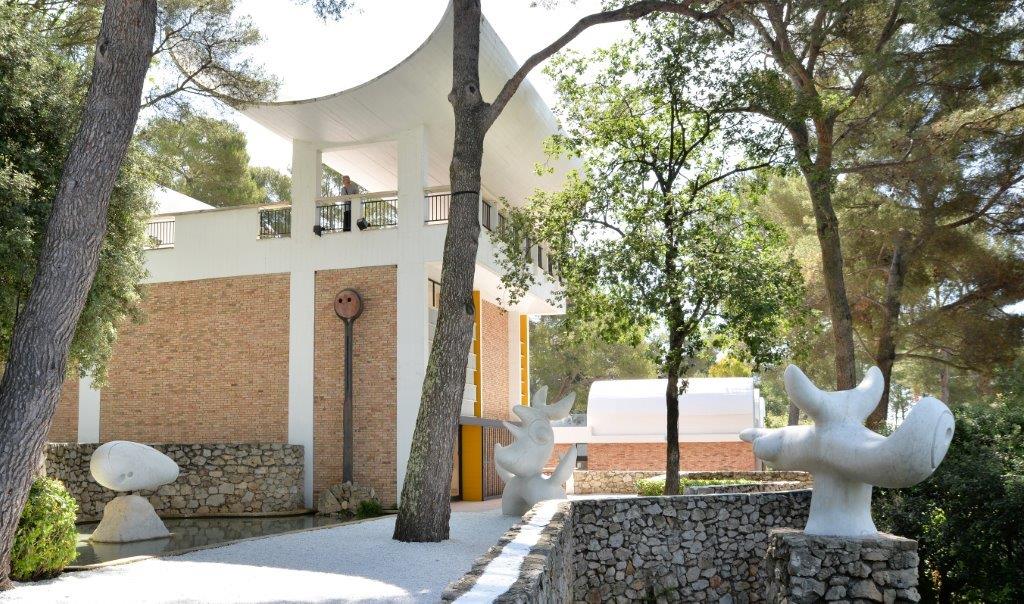
Fondation Maeght is located at 623 Chem. des Gardettes, 06570 Saint-Paul-de-Vence, France, a short walk from the village. The museum's architecture is designed to blend seamlessly with its surroundings of olive groves and distant sea views, offering a serene environment for art appreciation. The site's natural topography is integrated into the museum's design, creating a fluid transition between indoor galleries and outdoor sculpture gardens.
The Maeght Couple's Vision: From Paris Gallery to Foundation
Established by Aimé and Marguerite Maeght, the foundation is a testament to their profound love for art and their close friendships with leading artists. Starting in the 1930s, the Maeghts operated a gallery in Paris, supporting and collaborating with artists such as Joan Miró, Marc Chagall, Georges Braque, Alexander Calder, and Alberto Giacometti. Their gallery became a significant hub for modern art, fostering deep connections that would later shape the foundation.
Founding in 1964: A Collaborative Artistic Space
The Fondation Maeght was inaugurated in 1964, partly in memory of the Maeghts' son, Bernard. Their vision was to create a unique space where artists could freely create, interact, and showcase their works. The foundation's collection comprises works accumulated over their lifetime, alongside pieces conceived and created specifically for this site through direct collaboration with the artists.
Josep Lluís Sert's Architecture: Harmonizing with Nature
The museum's architecture is a masterpiece by Spanish architect Josep Lluís Sert, a protégé of Le Corbusier. Sert's design emphasizes harmony with the natural environment, utilizing simple materials like concrete and brick to create dynamic spaces filled with light. The open structure blurs the boundaries between interior and exterior, allowing visitors to experience art within a natural setting.
Sert's design incorporates distinctive skylights that draw natural light into the galleries, illuminating artworks with an ever-changing glow. Functional elements like 'wind towers' also contribute to the aesthetic, enhancing air circulation while adding sculptural beauty. The museum's layout encourages a journey through interconnected galleries and courtyards, each offering a unique atmosphere for contemplation.
Masterpieces in Dialogue: Miró, Chagall, Braque, Giacometti
The foundation boasts an impressive collection of 20th-century modern art. Joan Miró's 'Labyrinth of Miró' is a highlight, an outdoor sculpture garden where fantastical ceramic and sculptural works invite playful exploration. Marc Chagall's mosaic 'Les Amoureux' greets visitors at the entrance, while his stained-glass windows cast vibrant light within a chapel-like space. Georges Braque's 'Bird' mosaic is another iconic piece, symbolizing freedom and grace.
Alberto Giacometti's elongated figures stand sentinel in the central courtyard, their stark presence inviting deep reflection against the Provençal landscape. These works, along with those by Fernand Léger, Wassily Kandinsky, and Pierre Bonnard, are strategically placed to engage in a continuous dialogue with the architecture and the surrounding nature.
Saint-Paul-de-Vence Village: A Historic Artistic Hub
Beyond the museum, the medieval village of Saint-Paul-de-Vence itself is an artistic treasure. Its narrow, winding streets are lined with galleries, workshops, and boutiques. The village has attracted numerous artists, including Chagall, Matisse, and Picasso. Chagall, in particular, lived and is buried here, making the village a living testament to its rich artistic heritage. Exploring the village after visiting the foundation enriches the overall experience, connecting contemporary art with its historical roots.
Visitor Information
Practical information for visiting Fondation Maeght and Saint-Paul-de-Vence:
- Admission: Approximately 16 Euros for adults. Discounts for students and groups are available; checking the official website is recommended.
- Operating Hours: Open daily from 10:00 AM to 6:00 PM. Hours may vary seasonally, especially closing at 5:00 PM from November to February. Checking the official website before visiting is recommended.
- Location: Fondation Maeght, 623 Chem. des Gardettes, 06570 Saint-Paul-de-Vence, France.
- Transportation:
- Car: Approximately 30-40 minutes from Nice. On-site parking is available but can be crowded during peak season.
- Bus: Bus 400 (Lignes d'Azur) from Nice (Nice Garibaldi or Nice Albert 1er stops) to Saint-Paul-de-Vence village entrance, followed by a 15-20 minute walk to the museum. Fare is around 1.50 Euros; checking the timetable in advance is recommended.
- Taxi/Uber: Approximately 40-60 Euros from Nice.
- Reservations: Generally not required for general admission. For special exhibitions or peak season, purchasing tickets online in advance is recommended.
- Nearby Dining: Saint-Paul-de-Vence offers several charming restaurants.
- La Colombe d'Or: A famous restaurant and hotel where artists like Picasso and Chagall are said to have traded artworks for meals. Reservations are essential, and prices are high.
- Le Tilleul: A casual restaurant in the village center with a terrace offering Provençal cuisine and village views.
- Recommended Visit Duration: Allow 2-3 hours for the Fondation Maeght. A full day is recommended to explore both the museum and Saint-Paul-de-Vence village.
Visitor Info
| Estimated Visit | Translating |
| Translating | Translating |
| Translating | Translating |
| Recommended Route | Translating |