A Heavenly Escape on the Hills of LA: The Ultimate Guide to The Getty Center!
A Heavenly Escape on the Hills of LA: The Ultimate Guide to The Getty Center!
The Getty Center: A Hilltop Oasis of Art in Los Angeles
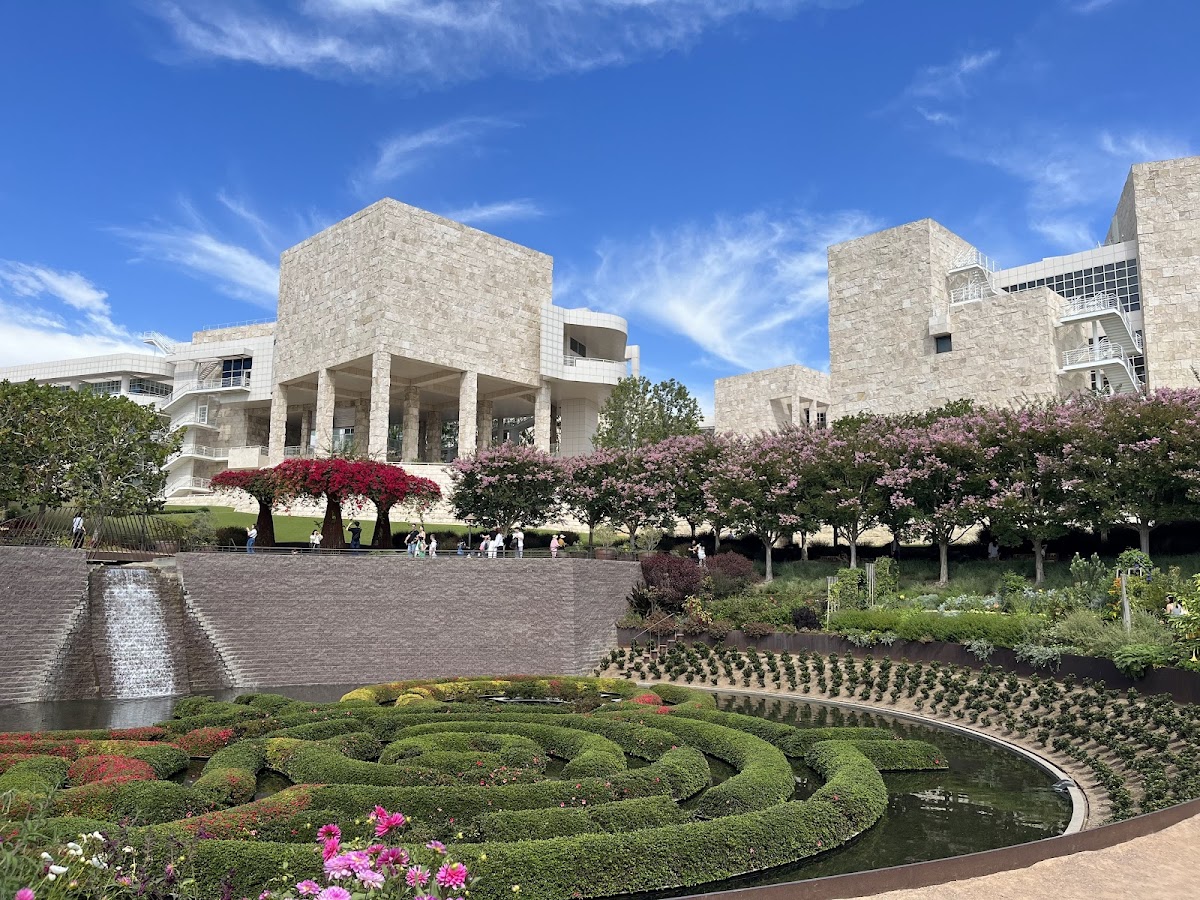
The Getty Center, located at 1200 Getty Center Dr, Los Angeles, CA 90049, sits atop a hill in the Brentwood area of West Los Angeles. This prominent institution offers panoramic views of the city skyline, the San Gabriel Mountains, and the Pacific Ocean. It serves as a tranquil escape from urban life, providing a serene environment for experiencing art.
The visitor journey begins with a unique tram ride from the parking area to the main museum complex. This short, five-minute ascent offers initial glimpses of the sprawling Los Angeles landscape, setting the stage for the harmonious blend of architecture, nature, and art that defines the Getty Center.
J. Paul Getty's Vision and the Birth of a Legacy
The Getty Center's origins trace back to the passionate art collecting of oil magnate J. Paul Getty (1892-1976). A visionary philanthropist, Getty aimed to preserve cultural heritage and make art accessible to the public. In 1953, he opened a museum at his Malibu residence, showcasing ancient Greek, Roman, and Etruscan art, which later evolved into the Getty Villa.
Upon his death in 1976, Getty bequeathed his vast fortune to the Getty Trust, establishing one of the world's wealthiest art institutions. The Trust's mission is to promote and conserve art for humanity's understanding, preservation, and appreciation. This endowment ensures that the Getty Center remains free to the public, embodying Getty's commitment to shared cultural access.
Richard Meier's Architectural Masterpiece
In the 1980s, the Getty Trust commissioned Pritzker Prize-winning architect Richard Meier (b. 1934) to design a new, expansive museum complex. Completed in 1997, the Getty Center stands as a testament to Meier's signature style: geometric forms, pristine white aesthetics, and masterful use of natural light. The project, costing over $1 billion, was one of the most ambitious architectural endeavors of its time.
The complex is clad in over 1.2 million square feet of Italian travertine marble and aluminum panels. The travertine, sourced from quarries near Rome, features natural fossilized patterns, adding a unique texture and historical depth to the surfaces. The interplay of sunlight on these materials creates a dynamic visual experience, with the stone's color shifting from warm ivory to golden hues throughout the day.
A World-Class Collection: European Art from the 17th to Early 20th Century
Beyond its architectural grandeur, the Getty Center houses an exceptional collection of European art from the 17th to the early 20th century. With over one million objects, the collection includes paintings, sculptures, decorative arts, drawings, photographs, and medieval illuminated manuscripts. Galleries are thoughtfully arranged by period and region, offering a comprehensive journey through European art history.
Highlights include Vincent van Gogh's iconic "Irises," painted in 1889 during his stay at an asylum in Saint-Rémy. The collection also features masterpieces by Rembrandt, Rubens, Monet, and Renoir. The natural light filtering into the galleries enhances the vibrancy of these works, particularly the Impressionist paintings, allowing visitors to appreciate the artists' use of light and color.
The Central Garden and Panoramic Views
The Central Garden, designed by artist Robert Irwin (1928-2018), is a living work of art. A circular maze of plants, a cascading stream, and diverse flora create a sensory experience that invites contemplation and relaxation. This outdoor space provides a tranquil counterpoint to the indoor galleries, fostering a connection between art, nature, and human experience.
Throughout the Getty Center, various viewpoints and terraces offer breathtaking panoramic vistas. Visitors can take in the expansive Los Angeles cityscape, the rugged San Gabriel Mountains, and the shimmering Pacific Ocean. These views, especially at sunset when the buildings glow against an orange sky, underscore the Center's integration with its natural surroundings, making it a truly immersive cultural destination.
Visitor Information
- Location: Getty Centre, 1200 Getty Center Dr, Los Angeles, CA 90049, USA.
- Operating Hours:
- Monday: Closed.
- Tuesday–Friday: 10:00 AM – 6:30 PM.
- Saturday: 10:00 AM – 9:00 PM.
- Sunday: 10:00 AM – 6:30 PM.
- Hours may vary; check the official website (https://www.getty.edu) for the most current information.
- Admission: Free. Parking fees apply (check website for current rates; discounted after 3:00 PM).
- Transportation:
- Car: Park at the Getty Center garage and take the free tram to the museum. Advance parking reservations are recommended, especially on weekends.
- Public Transit: Take Metro Bus 734 to the Getty Center Drive entrance, then transfer to the free Getty Center shuttle. The Metro E Line (formerly Expo Line) can connect to bus routes.
- Recommended Visit Time: Allow at least 3-4 hours for a comprehensive visit.
Visitor Info
| Location | Translating |
| Hours | Translating |
| Admission | Translating |
| Getting There | Translating |
| Estimated Visit | Translating |
Featured Works

렘브란트 (Rembrandt)
에우로파의 납치 (The Abduction of Europa)
렘브란트의 초기 역사화 걸작

빈센트 반 고흐 (Vincent van Gogh)
붓꽃 (Irises)
반 고흐가 생레미 정신병원에서 그린 걸작

클로드 모네 (Claude Monet)
밀짚 더미, 눈 효과, 아침 (Wheatstacks, Snow Effect, Morning)
모네의 밀짚 더미 연작 중 하나

로렌스 알마-타데마 (Lawrence Alma-Tadema)
봄 (Spring)
로마 축제를 그린 화려한 대작