Cairo, Tutankhamun's Golden Mask, and the Dawn of the Grand Egyptian Museum: Pharaoh's Legacy Beyond Time
Cairo, Tutankhamun's Golden Mask, and the Dawn of the Grand Egyptian Museum: Pharaoh's Legacy Beyond Time
The Grand Egyptian Museum: A Gateway to Ancient Egypt in Giza
The Grand Egyptian Museum (GEM) stands majestically in Giza, Egypt, near the iconic pyramids. This monumental archaeological museum, one of the largest globally, was conceived to house and exhibit the vast treasures of ancient Egyptian civilization. It represents a modern reinterpretation of Egypt's glorious past, serving as a colossal time capsule that bridges millennia.
Construction commenced in 2002, with a partial opening in 2021 and a full opening in 2024. GEM's primary objective is to relocate artifacts from the former Egyptian Museum in Tahrir, Cairo, into a state-of-the-art exhibition environment. It offers an unparalleled journey into the legacy of the pharaohs and the depth of the Nile civilization.
Architectural Grandeur and the Grand Staircase
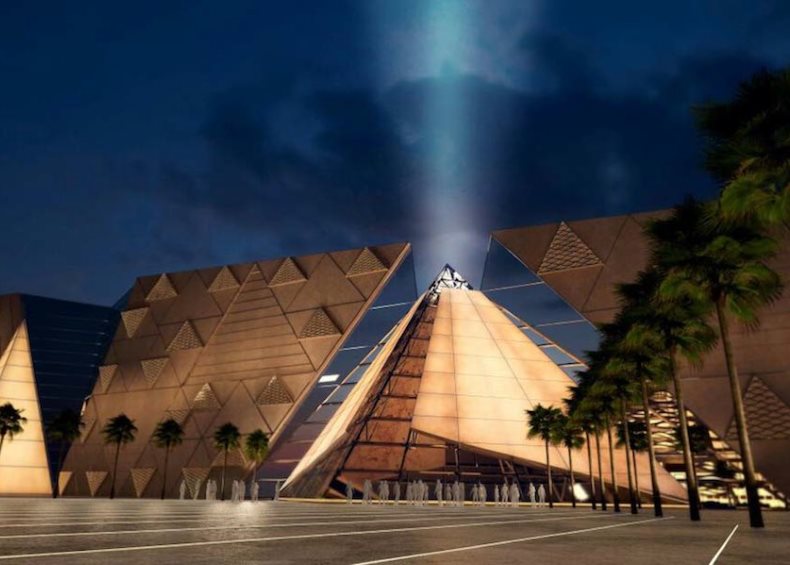
The museum's architecture is a work of art in itself, featuring a striking triangular geometric form inspired by the pyramids. Its exterior harmonizes with the desert landscape, while the interior is remarkably open and filled with natural light, blending glass, concrete, and local Egyptian stone. This design creates a contemporary backdrop that allows ancient artifacts to breathe.
Upon entering, visitors are greeted by the colossal statue of Rameses II, a sentinel from over three millennia ago, setting a reverent tone. The central 'Grand Staircase' is a highlight, ascending through a chronological display of monumental statues from various ancient Egyptian dynasties. This architectural feature guides visitors through history, making the ascent an integral part of the historical exploration.
The Tutankhamun Collection: A Unified Treasure
GEM's most celebrated collection is undoubtedly that of Pharaoh Tutankhamun. For the first time, all 5,000+ artifacts from his tomb, previously scattered, are united in a dedicated gallery. This collection offers a dazzling display of 3,300-year-old splendor and authority, including the iconic Golden Mask.
The Golden Mask, adorned with lapis lazuli and black onyx, exudes a mystical aura, captivating all who behold it. Its intricate craftsmanship and perfect proportions are a testament to ancient Egyptian artistry. Beyond the mask, the exhibition includes three golden coffins, the pharaoh's throne, intricate jewelry, and even golden toe covers, vividly conveying the ancient Egyptians' belief in eternal life.
Exploring Pharaohs' Lives, Deaths, and Daily Existence
Beyond Tutankhamun's treasures, GEM boasts an extensive collection spanning the entirety of ancient Egyptian civilization. Exhibitions delve into the lives, deaths, and afterlife beliefs of the ancient Egyptians, featuring displays on mummification processes, actual mummies, elaborate sarcophagi, and funerary goods that reflect social status and artistic prowess.
The museum also provides insights into daily life through artifacts such as agricultural tools, clothing, jewelry, and children's toys, illustrating the timeless aspects of human existence. Systematically organized by dynasty, the galleries trace the long history of Egyptian civilization from its origins to the Roman era, offering a profound educational experience that connects mythology, religion, political systems, and social structures.
Visitor Information for an Enriched Experience
Given the immense scale and extensive collections of the Grand Egyptian Museum, allocating ample time for a visit is highly recommended. Here are some essential tips for planning your trip:
- Admission Fees: Approximately 500 EGP for foreign adults, with student discounts available. Special exhibits, such as Tutankhamun's mummy, may incur additional charges. It is advisable to check the official website for current rates due to potential exchange rate fluctuations.
- Operating Hours: Generally open daily from 10:00 to 19:00, with extended hours until 22:00 on Fridays. Operating hours may vary by season or for special events, so confirm details on the official website before your visit.
- Location: The museum is situated at Al Remaya Square, Kafr Nassar, Al Haram, Giza.
- Transportation: Taxis, Uber, or Careem apps are the most convenient options from central Cairo. Its close proximity to the Giza Pyramids makes it ideal for combining visits. Public transport involves taking the Cairo Metro to Giza Station, followed by a taxi or minibus transfer.
- Reservations: Online advance booking for tickets is recommended, especially during peak season or weekends, to avoid long queues. On-site purchases are possible but may involve significant wait times. Reservations are also advised for museum tours or specific exhibitions.
- Dining Options: The museum features several cafes and restaurants for refreshments and meals. The surrounding Giza area offers numerous local Egyptian eateries where visitors can savor traditional dishes like Koshary, Falafel, and Ta'ameya. Riverside restaurants along the Nile also provide scenic dining experiences.
Visitor Info
| Estimated Visit | Translating |
| Translating | Translating |
| Recommended Route | Translating |