도쿄 아트 스팟
도쿄 아트 스팟
Tokyo's Art Landscape: A Blend of Tradition and Innovation
Tokyo, a city where ancient traditions meet cutting-edge innovation, offers a rich tapestry of art experiences. This record documents a visit to several key art institutions, each providing a unique perspective on Japan's artistic heritage and its engagement with global art movements.
teamLab Borderless: Immersive Digital Art in Azabudai Hills
Located at 6-chōme-9-9 Roppongi, Minato City, teamLab Borderless is a pioneering digital art museum in Azabudai Hills. It is accessible within a 7-minute walk from Azabu-Juban Station (Toei Oedo Line) or an 8-minute walk from Kamiyacho Station (Hibiya Line). This institution is renowned for its immersive, interactive installations that blur the boundaries between art, nature, and technology.
The concept of 'borderless' defines the experience. Artworks are not confined to specific rooms but flow throughout the space, interacting with each other and responding to human presence. Digital butterflies, cascading waterfalls, and blooming flowers continuously transform, creating an ever-changing environment. Visitors explore a world without maps, where their movements directly influence the art, fostering a unique sense of wonder and connection. Notable spaces include 'Light Sculpture' and 'Moving Sculpture,' offering sensory-rich experiences that challenge perceptions of reality.
National Museum of Modern Art, Tokyo (MOMAT): Tracing Japan's Modern Artistic Journey
The National Museum of Modern Art, Tokyo (MOMAT), situated at 1-chōme-1-1 Hitotsubashi, Chiyoda City, is a premier institution for modern and contemporary Japanese art. It is a 3-minute walk from Takebashi Station (Tozai Line), near the Imperial Palace. Established in 1952, MOMAT collects, preserves, and exhibits works that trace the development of Japanese artistic expression from the Meiji period to the present day.
The museum showcases Japan's artistic evolution, from the initial adoption of Western influences in the late 19th century to the distinct paths forged by Japanese artists. Works by masters like Fujishima Takeji and Kuroda Seiki illustrate the impact of Impressionism and Post-Impressionism on Japanese painting. Post-World War II art, including abstract, avant-garde, and pop art-influenced pieces, reflects the era's dynamic changes. MOMAT plays a vital role in fostering critical engagement with modern art and its influence on the global cultural landscape.
Mori Art Museum: Contemporary Art with a City View
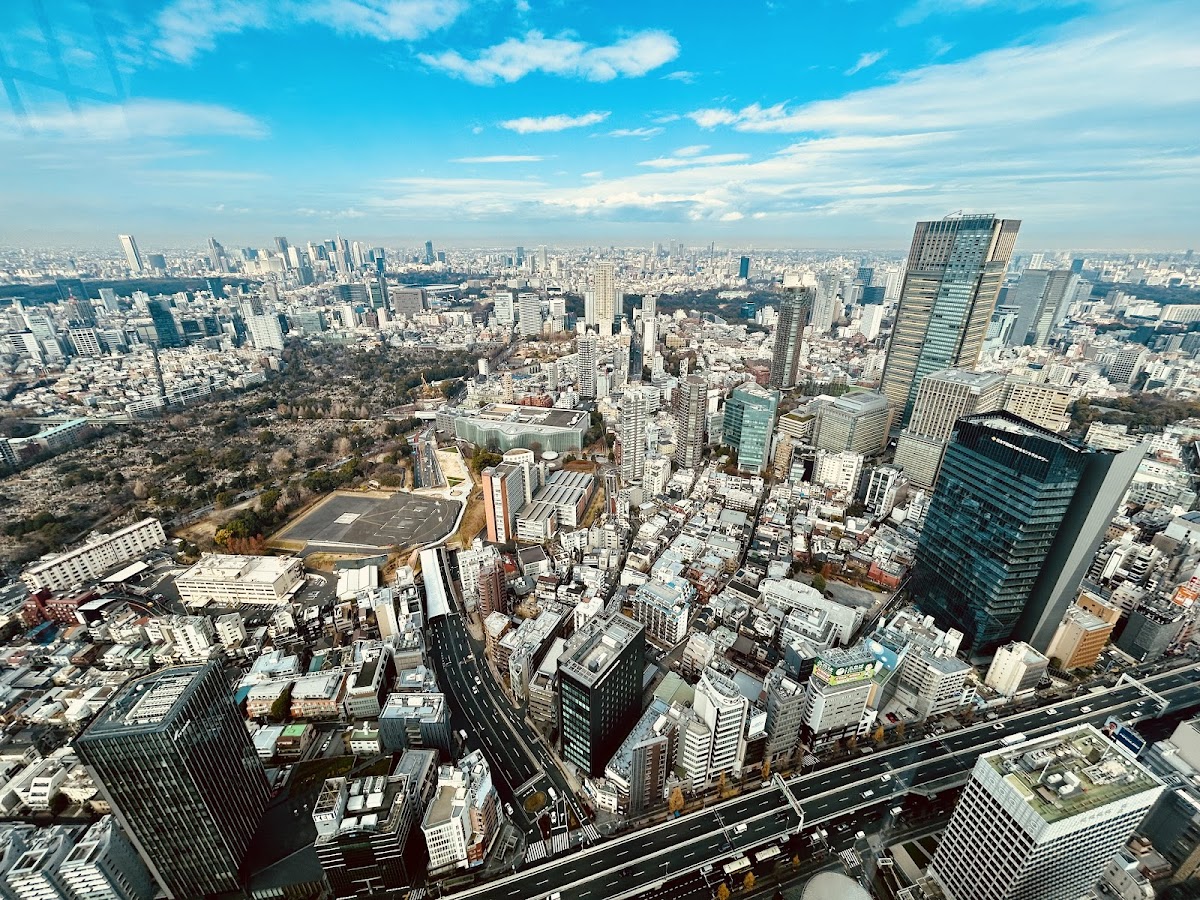
The Mori Art Museum is located on the 53rd floor of Roppongi Hills Mori Tower, 6-chōme-10-1 Roppongi, Minato City. It offers a unique art experience combined with panoramic views of Tokyo. Founded by real estate developer Minoru Mori, the museum focuses on large-scale international exhibitions of contemporary art, though it also holds a permanent collection of art from Japan and the Asia Pacific region.
Unlike museums with fixed collections, Mori Art Museum is known for its thematic exhibitions addressing contemporary social and cultural issues. The museum's high-rise location allows for a synergistic experience, where the urban landscape becomes an integral part of the art viewing. The 'Tokyo City View' observation deck, located on the same floor, provides stunning vistas of Tokyo Tower and Skytree, enhancing the overall cultural visit within the vibrant Roppongi Hills complex.
Tokyo National Museum: A Repository of Japanese History and Culture
The Tokyo National Museum, Japan's oldest and largest museum, is located at 13-9 Uenokōen, Taito City, within Ueno Park. It is a 10-minute walk from Ueno Station (JR Park Exit). With over 140 years of history, the museum houses more than 100,000 artifacts, offering a comprehensive journey through Japanese history and culture from prehistoric times to the modern era, alongside cultural treasures from other Asian countries.
The museum comprises several buildings, including the Honkan, Toyokan, Heiseikan, and Horyuji Treasure Hall, each with distinct exhibits. Highlights include the Ukiyo-e section in the Honkan, featuring masterpieces like Katsushika Hokusai's 'The Great Wave off Kanagawa,' which vividly depict common life and landscapes. Collections of samurai armor, swords, and Buddhist sculptures showcase exquisite craftsmanship and spiritual depth. The museum also boasts extensive collections of Japanese ceramics, lacquerware, and textiles, reflecting evolving aesthetics and skilled artistry across different periods.
National Museum of Western Art: Le Corbusier's Architectural Masterpiece
The National Museum of Western Art, situated at 7-7 Uenokōen, Taito City, in Ueno Park, stands as a UNESCO World Heritage site. Designed by the renowned architect Le Corbusier, the building itself is a work of art, offering a harmonious blend of architecture and European modern art. It is conveniently located a 1-minute walk from Ueno Station (JR Park Exit).
Opened in 1959, the museum presents a valuable collection of European modern and contemporary art, including works by Impressionist and Post-Impressionist masters like Monet, Renoir, and Van Gogh, as well as experimental art from the early 20th century. Le Corbusier's 'Museum of Unlimited Growth' concept is evident in features like the pilotis, which create an open ground floor, and the spiral ramp in the central hall, guiding visitors naturally through the exhibition spaces. The design emphasizes natural light and functional simplicity, enhancing the viewing experience by drawing focus to the artworks. Rodin's sculptures, including 'The Thinker,' are also displayed in the outdoor garden, extending the artistic journey beyond the interior.
Visitor Information for Tokyo Art Museums
- teamLab Borderless
- Location: 6-chōme-9-9 Roppongi, Minato City, Tokyo 106-0032, Japan
- Access: 7-min walk from Azabu-Juban Station (Toei Oedo Line) / 8-min walk from Kamiyacho Station (Hibiya Line)
- Hours: Mon-Sun 08:30-21:00
- Admission: ¥3,800. Online reservation required (date + time specific)
- Recommended Visit Duration: 2-3 hours
- National Museum of Modern Art, Tokyo (MOMAT)
- Location: 1-chōme-1-1 Hitotsubashi, Chiyoda City, Tokyo 100-0003, Japan
- Access: 3-min walk from Takebashi Station (Tozai Line) Exit 1a
- Hours: Mon Closed / Tue-Thu 10:00-17:00 / Fri-Sat 10:00-20:00 / Sun 10:00-17:00
- Admission: Adults ¥300-500
- Recommended Visit Duration: 30 min - 1 hour
- Mori Art Museum
- Location: Japan, 〒106-0032 Tokyo, Minato City, Roppongi, 6-chōme−10−1 Roppongi Hills Mori Tower, 34F
- Access: 3-min walk from Roppongi Station (Hibiya Line)
- Hours: Mon 10:00-22:00 / Tue 10:00-17:00 / Wed-Sun 10:00-22:00
- Admission: Adults ¥2,000 (includes observation deck)
- Recommended Visit Duration: 2 hours
- Tokyo National Museum
- Location: 13-9 Uenokōen, Taito City, Tokyo 110-0007, Japan
- Access: 10-min walk from Ueno Station (JR Park Exit)
- Hours: 09:30-17:00 (Mon Closed)
- Admission: ¥1,000
- Recommended Visit Duration: 2-3 hours
- National Museum of Western Art
- Location: 7-7 Uenokōen, Taito City, Tokyo 110-0007, Japan
- Access: 1-min walk from Ueno Station (JR Park Exit)
- Hours: 09:30-17:30 (Mon Closed)
- Admission: ¥500
- Recommended Visit Duration: 1-2 hours