Korean Contemporary Art Surrounded by Nature
Korean Contemporary Art Surrounded by Nature
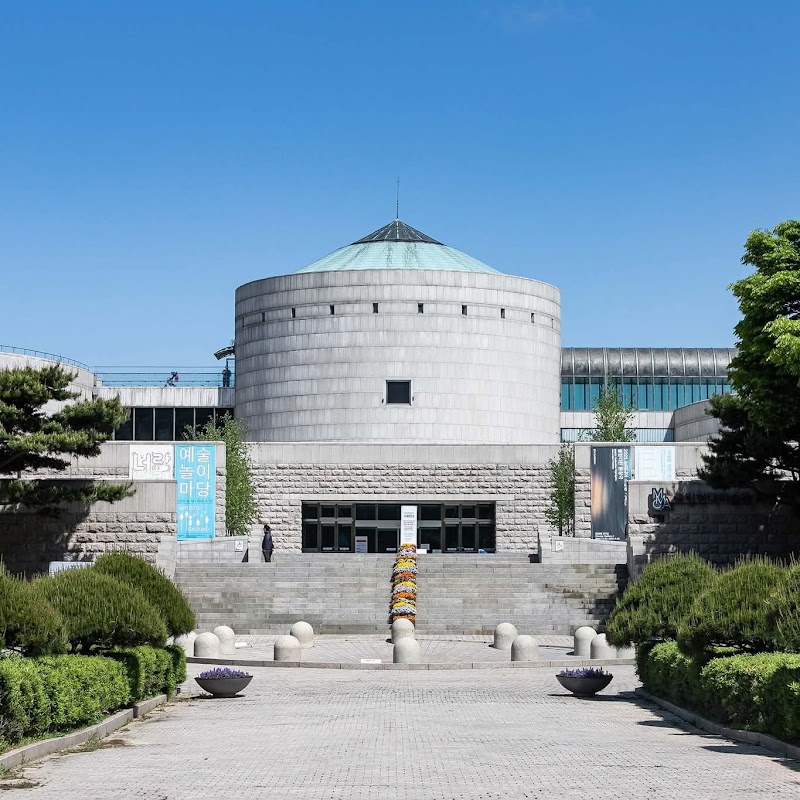
MMCA Gwacheon — A Sanctuary of Korean Contemporary Art in Nature
The National Museum of Modern and Contemporary Art, Gwacheon (MMCA Gwacheon), is situated on the gentle western slopes of Cheonggyesan Mountain, at 313 Gwangmyeong-ro, Gwacheon-si, Gyeonggi-do. This location is part of a cultural cluster that includes Seoul Grand Park and the Gwacheon National Science Museum. Accessible within approximately 10 minutes on foot from Grand Park Station (Subway Line 4, Exit 4), the museum offers a nature-friendly environment just 30 minutes from downtown Seoul. The expansive site covers about 73,360㎡, with a total floor area of approximately 32,500㎡.
Architectural Harmony with Nature by Kim Tae-soo
Designed by architect Kim Tae-soo and completed in 1986, MMCA Gwacheon embodies a philosophy of harmony with nature. The building's fluid, curved forms and circular structures blend seamlessly with the surrounding topography, appearing as an organic extension of the mountain itself. Its exterior, finished with exposed concrete and natural stone, establishes a deep connection with the environment, allowing the architecture to function as a large-scale sculpture.
The museum's iconic circular ramp is a central feature, guiding visitors through the various levels. This ramp is not merely a means of circulation but a core architectural experience, bathed in natural light filtering through ceiling windows. This interplay of light and shadow creates an ever-changing atmosphere, enhancing the perception of both the space and the artworks within.
Nam June Paik's 'The More, The Better'
At the heart of MMCA Gwacheon stands Nam June Paik's monumental media art installation, 'The More, The Better.' Comprising approximately 1,003 CRT televisions stacked in a circular structure, this work is a vibrant spectacle of light and sound. Created in 1988 to commemorate the Seoul Olympics, it symbolizes Korea's pioneering role in media art on the global stage. Recently restored, the artwork continues to offer a dynamic visual experience, reflecting the evolution of art alongside technological advancements.
Extensive Collection of Korean Contemporary Art
MMCA Gwacheon houses an extensive collection that spans the history and present of Korean contemporary art. It showcases works by modern masters such as Lee Jung-seop, Park Soo-keun, and Kim Whanki, alongside experimental pieces by emerging artists. The museum's permanent and special exhibitions explore diverse themes, challenging viewers to engage with contemporary issues and expand their perspectives. The collection serves as a vital platform for artistic discourse and public education.
Outdoor Sculpture Park and Surrounding Attractions
Beyond its indoor galleries, MMCA Gwacheon features a vast outdoor sculpture park where art and nature converge. Sculptures are thoughtfully placed amidst lush trees, inviting visitors to discover them like hidden treasures. This serene environment, accompanied by the sounds of birds and rustling leaves, offers a unique space for contemplation and a fresh perspective on the artworks.
The museum's location also allows for a richer cultural experience. Adjacent to Seoul Grand Park and in close proximity to the Gwacheon National Science Museum, visitors can combine their art exploration with nature walks, educational visits, or family outings. This integration of diverse cultural facilities makes MMCA Gwacheon a versatile destination for intellectual stimulation and leisurely enjoyment.
Visitor Information
Location: 313 Gwangmyeong-ro, Gwacheon-si, Gyeonggi-do, South Korea
Operating Hours:
- Tuesday to Sunday: 10:00 AM - 6:00 PM
- Closed on Mondays and January 1st.
- For detailed operating hours and exhibition schedules, checking the official website is recommended.
Admission Fee:
- Permanent exhibitions: Free
- Special exhibitions may have an admission fee. Please check the official website before your visit.
Transportation:
- Subway: 10-minute walk from Grand Park Station (Subway Line 4, Exit 4).
- Shuttle Bus: A free shuttle bus is available from Grand Park Station (Exit 2) to the museum. Check the official website for shuttle bus schedules.
- Parking: Available at Seoul Grand Park parking lot (parking fees apply).
Estimated Visit Duration: 2-3 hours
Visitor Info
| Location | Translating |
| Hours | 10:00 - 18:00 (Mon closed) |
| Admission | Translating |
| Getting There | Translating |
| Estimated Visit | 2-3hr |
Featured Works

백남준 (Nam June Paik)
다다익선 (The More, The Better)
비디오 아트의 창시자 백남준의 대표작으로, 1,003대의 모니터로 구성된 높이 18.5m의 탑형 설치 작품입니다. 1988년 서울올림픽을 기념하여 제작되었으며, 국립현대미술관 과천관의 상징입니다. 각 모니터에서 흘러나오는 이미지가 하나의 거대한 영상 교향곡을 이루며, 기술과 예술의 융합을 선구적으로 보여줍니다.