Chagall's Stained Glass Shining in a French Chapel
Chagall's Stained Glass Shining in a French Chapel
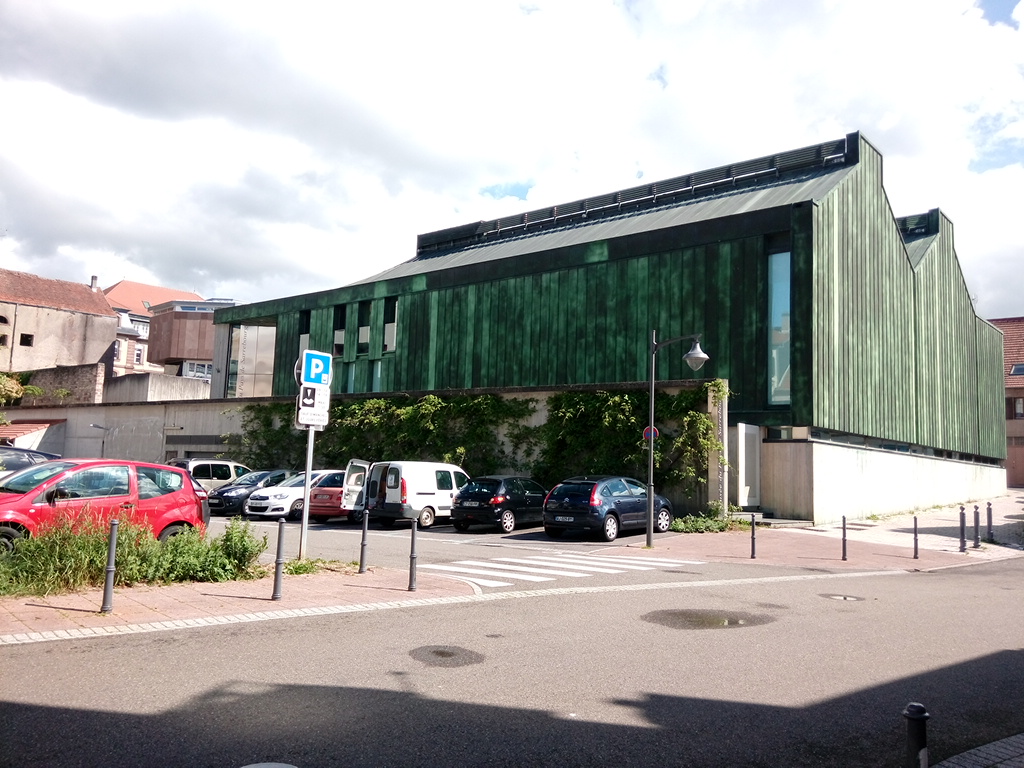
Chapelle des Cordeliers: A 13th-Century Chapel in Sarrebourg
The Chapelle des Cordeliers, located at 28 Rue du Musée in Sarrebourg, France, is a historic site dating back to the 13th century. Originally a Franciscan monastery, it stands in the peaceful town of Sarrebourg, situated in the Lorraine region at the foothills of the Vosges Mountains. The chapel is approximately a 5-minute walk from Sarrebourg SNCF station.
After centuries of varied use, including periods of disuse, the city of Sarrebourg initiated a restoration project in the mid-20th century. This effort aimed to revitalize the ancient structure and integrate contemporary art, preserving its historical essence while giving it new cultural significance.
Marc Chagall's Monumental Stained Glass
A key part of Sarrebourg's restoration was the commission of a monumental stained-glass window by Marc Chagall (1887-1985) in the early 1970s. Despite his advanced age, Chagall, then residing in Saint-Paul-de-Vence, was deeply committed to expressing spiritual messages through stained glass. He accepted the project, acknowledging the region's history of suffering from WWII and seeing an opportunity to convey his compassion for humanity and his desire for peace.
This magnificent three-panel work, measuring 12 meters high and 7 meters wide, now dominates the altar area. It is a vibrant composition of deep blues, greens, reds, and yellows, colors characteristic of Chagall, symbolizing peace, hope, and divinity. The interplay of light through these colored panes transforms the interior into an immersive, meditative space, where ancient stone and modern art beautifully converge.
Biblical Narratives in Light and Color
Chagall's stained glass intricately depicts significant biblical narratives. The left panel illustrates the Garden of Eden and creation, while the central panel portrays the Exodus and Moses receiving the Ten Commandments. The right panel foretells the coming of the Messiah and an era of peace. Chagall's unique style, featuring floating figures and a blend of Jewish and Christian symbolism, reinterprets these stories, conveying a powerful message of humanism and harmony.
The changing light throughout the day continually alters the artwork's appearance, offering a fresh experience with each visit. This monumental work transcends mere religious art, shining as a timeless masterpiece that speaks to universal themes of human suffering, hope, and ultimate salvation.
Visiting Information
Location: 28 Rue du Musée, 57400 Sarrebourg, France
Operating Hours: Monday 2:00 PM - 5:00 PM / Tuesday Closed / Wednesday-Sunday 2:00 PM - 5:00 PM. Please check the official website for current information.
Admission: Free. Voluntary donations are appreciated for maintenance.
Transportation: Approximately a 5-minute walk from Sarrebourg SNCF station. Sarrebourg is accessible by train from Strasbourg or Nancy (30-60 minutes).
Viewing Time: Approximately 30 minutes is recommended.
Visitor Info
| Location | 13 Rue de la Paix, 57400 Sarrebourg |
| Hours | 10:00 - 12:00, 14:00 - 18:00 |
| Admission | €6 |
| Highlights | Translating |
| Estimated Visit | 45min-1hr |
Featured Works

Marc Chagall
La Paix (Peace)
높이 12미터의 샤갈 스테인드글라스 걸작 (1976)