Meeting the Father of Video Art in Yongin
Meeting the Father of Video Art in Yongin
Location and Overview — Nam June Paik Art Center in Yongin
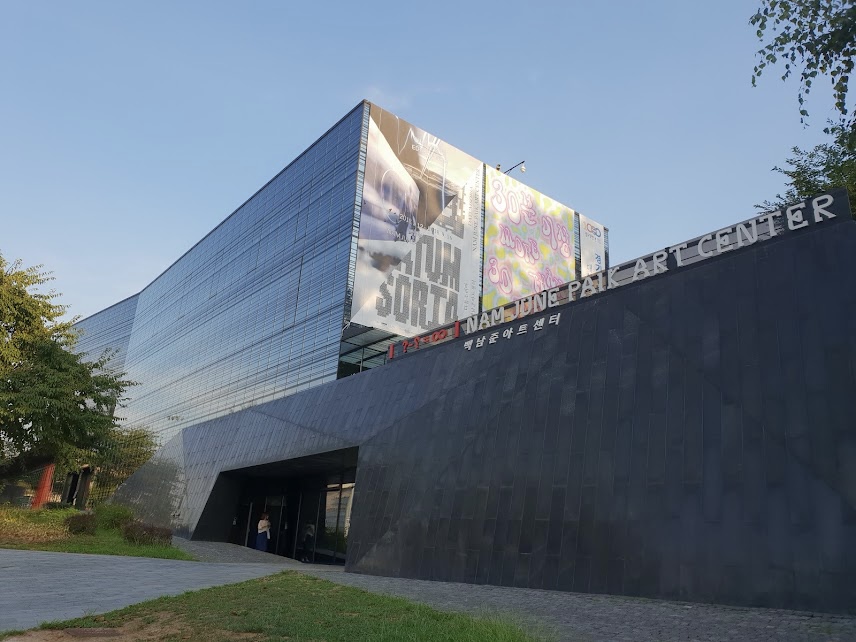
The Nam June Paik Art Center is located at 10 Baeknamjun-ro, Giheung-gu, Yongin-si, Gyeonggi-do, South Korea. Approximately 10-15 minutes walk east from Sanggal Station (Shinbundang Line), the center is situated in a tranquil, green environment, distinct from urban bustle. This modern architectural marvel harmonizes with its natural surroundings while asserting its unique presence, much like Paik's intricate yet accessible art.
Dedicated to Nam June Paik (1932-2006), a pioneer of video art who profoundly influenced media art globally, the center serves as a vital hub for understanding and advancing his legacy. It presents dynamic exhibitions and programs exploring Paik's groundbreaking work and its continued relevance, fostering critical dialogue on technology and art.
Architectural Design — Blending Nature and Technology
The center's architecture reflects Paik's philosophy of integrating nature and technology. Its exterior, with unique textures and light reflections, transforms like a vast media screen, embodying the fluidity and dynamism central to Paik's art. The building itself functions as an artistic statement.
Despite using contemporary materials that might appear cold, the structure blends organically with the surrounding landscape, creating a warm and inviting impression. This design choice aligns with Paik's pursuit of harmony among nature, technology, and humanity, offering visitors an immersive entry into his media world.
Exploring the Interior — A Living Organism of Art
Inside, the Art Center deviates from traditional museum layouts, presenting a dynamic, organism-like space. Works interact with the entire environment, offering a fluid viewing experience. Light, sound, and movement stimulate the senses, drawing visitors deeper into Paik's artistic realm.
The flow of the interior guides visitors through Paik's diverse artistic spectrum. Artworks are strategically placed throughout the space, inviting discovery and embodying Paik's vision of blurring the lines between art and life.
Key Works — "The More The Better" and Robot Series
A central highlight is the towering video installation reminiscent of Paik's "The More The Better." Numerous monitors stacked high create an overwhelming spectacle of light and sound, with continuously changing images that evoke a sense of cosmic exploration. This piece vividly illustrates Paik's vision of a future where technology, art, and humanity coexist harmoniously.
Paik's robot series transforms everyday objects like televisions and radios into art, demonstrating technology's capacity to convey human emotion and thought. These robots, composed of metal frames and monitors, possess distinct personalities, offering glimpses into Paik's humor and foresight. He presented an optimistic view where technology enhances human imagination, rather than dominating it.
"TV Garden" — Bridging Nature and Media
Works like "TV Garden" vividly showcase Paik's efforts to dissolve boundaries between natural and artificial, analog and digital. Television monitors nestled among lush plants continuously display videos, creating a new form of beauty where natural vitality and media life intertwine. This installation highlights how Paik elevated television from a mere information medium to an artistic tool that stimulates senses and expands thought.
Paik's Legacy and Beyond — Contemporary Art
The center also features works by Paik's contemporaries and modern artists inspired by his spirit. This demonstrates the enduring influence of Paik's art, which continues to resonate and evolve in the present and future. Visitors can explore how Paik's futuristic visions are realized today and imagine their continued evolution.
Traces of a Genius — Manuscripts and Tools
Exhibits of Paik's manuscripts, sketches, and tools offer intimate insights into his intense artistic contemplation, passion, and moments of brilliant ideas. These materials provide a journey into the workspace of a visionary artist who was ahead of his time, revealing his love for technology, respect for humanity, and desire to improve the world through art.
Significance of the Art Center — A Space for Media Reflection
The Nam June Paik Art Center is more than an exhibition venue; it is a unique space for understanding the essence of our media age and deeply reflecting on the relationship between technology and humanity. It helps visitors discover how art can anticipate the future and inspire new perspectives.
Visitor Information
- Admission: Permanent exhibitions are free. Special exhibitions may have separate fees; check the official website for current information.
- Operating Hours: Tuesday to Sunday, 10:00 AM to 6:00 PM. Closed on Mondays, January 1st, Lunar New Year's Day, and Chuseok. Last admission is one hour before closing.
- Location: 10 Baeknamjun-ro, Giheung-gu, Yongin-si, Gyeonggi-do, South Korea.
- Transportation: From Sanggal Station (Shinbundang Line), it's about a 10-15 minute walk. Alternatively, take local buses (51-1, 51-2, 58) from the station to the Nam June Paik Art Center stop. For drivers, exit Suwon-Singal IC on Gyeongbu Expressway and proceed towards National Road 42 (Yeongdong direction). Parking is available.
- Reservation: Individual visitors do not require reservations. Group visits or educational programs require prior inquiry and reservation. During special exhibition periods, it is advisable to visit with ample time due to potential crowds.
- Recommended Viewing Time: Approximately 30 minutes to 1 hour.
Visitor Info
| Location | Translating |
| Hours | 10:00 - 18:00 (Mon closed) |
| Admission | Translating |
| Collection | Translating |
| Estimated Visit | 1.5-2hr |
Featured Works

Nam June Paik
TV Buddha
백남준의 대표적 비디오 설치 작품으로, 불상이 자신을 촬영하는 카메라와 TV 모니터를 바라보는 구성입니다. 동양의 명상 전통과 서양의 미디어 기술이 만나는 이 작품은 자기 인식과 미디어의 관계를 탐구합니다. 백남준아트센터의 핵심 소장품으로, 비디오 아트의 역사에서 가장 상징적인 작품 중 하나입니다.