A One-Day Conquest
A One-Day Conquest
London's Free Museums: A One-Day Cultural Expedition
On June 16, 2026, an expedition was undertaken to document a one-day visit to four of London's premier museums: the National Gallery, Tate Modern, the British Museum, and the Victoria and Albert Museum (V&A). London stands as a global cultural hub, distinguished by its policy of free entry to the permanent collections of its national museums and galleries, enhancing cultural accessibility for all.
The planned itinerary commenced at the National Gallery in Trafalgar Square, proceeding to Tate Modern on the Thames, then to the British Museum in Bloomsbury, and concluding at the V&A in South Kensington. This route allowed for an efficient exploration of diverse artistic and historical periods within approximately 8-10 hours. All primary exhibitions were accessible without charge, with an estimated budget of $50-$80 for transport and meals.
Tate Modern: From Power Station to Art Powerhouse
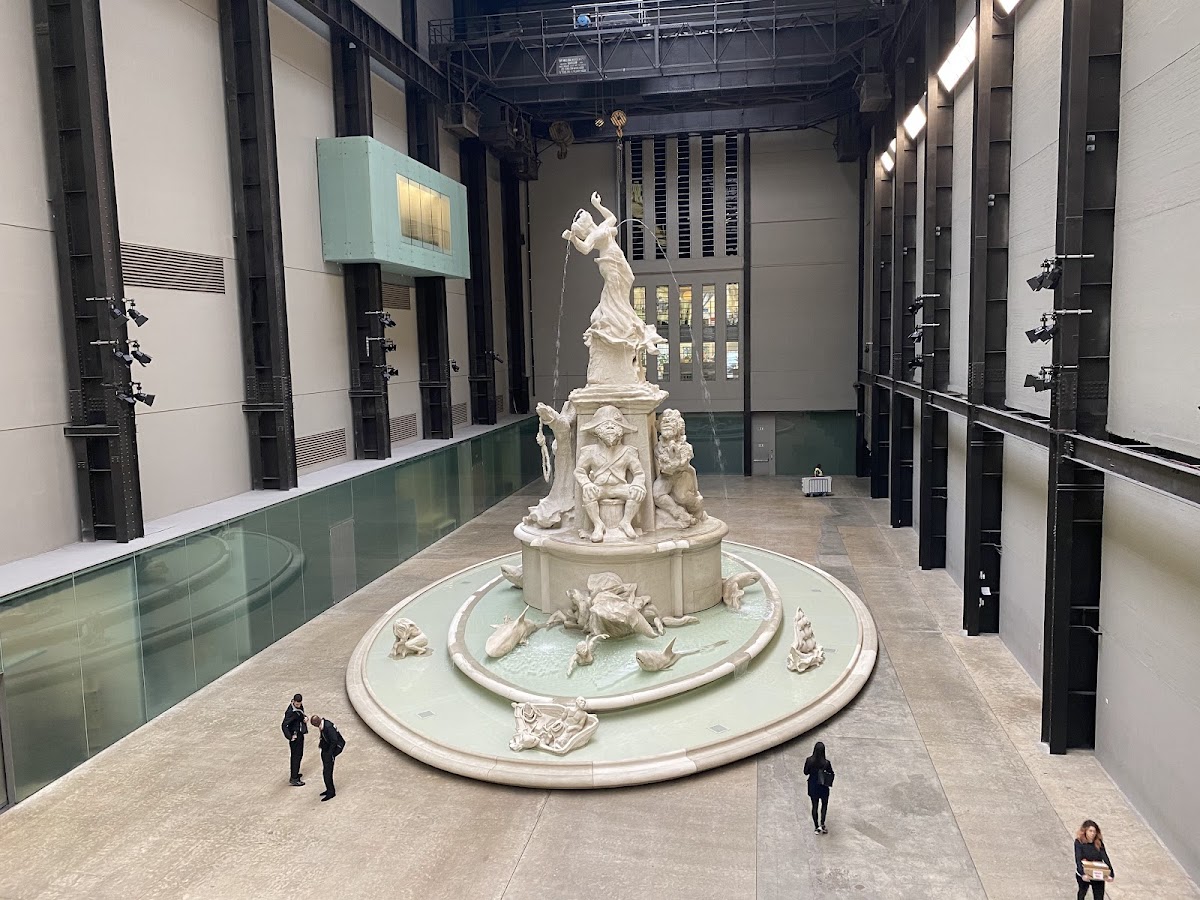
Tate Modern, located on the south bank of the River Thames, occupies the former Bankside Power Station. Converted and opened in 2000, this architectural transformation by Herzog & de Meuron repurposed an industrial landmark into a leading contemporary art museum. Its iconic chimney and brick facade preserve its industrial heritage while housing a vast collection of modern and contemporary art.
The museum's central Turbine Hall, once housing the power station's massive turbines, now serves as a grand exhibition space for large-scale installations. The Boiler House's 10th-floor balcony offers panoramic views of the London skyline, including St Paul's Cathedral and the Thames. Tate Modern's collection features works by Picasso, Dalí, Warhol, and Rothko, offering a comprehensive overview of 20th and 21st-century art. General admission is free, with extended hours on Fridays and Saturdays.
British Museum: A Repository of Human Civilization
Situated in Bloomsbury, the British Museum is a monumental institution with over 250 years of history, housing more than 8 million artifacts. It serves as a comprehensive record of human civilization, from ancient Egyptian mummies and the Rosetta Stone to the Parthenon sculptures and diverse Asian collections. Each gallery provides a journey through time, revealing the cultural and historical contexts of humanity's greatest achievements.
Key exhibits include the Egyptian galleries, where the Rosetta Stone's trilingual inscription unlocked the secrets of hieroglyphs, and the Greek galleries, displaying magnificent sculptures from the Parthenon. The museum's vast holdings also encompass intricate ceramics from China, Japanese woodblock prints, and Indian sculptures, illustrating the diverse artistic expressions across continents. Admission to the permanent collection is free, with late openings on Fridays.
Victoria and Albert Museum (V&A): A Sanctuary of Art and Design
The V&A, located in South Kensington, is the world's leading museum of art, design, and performance, established in 1852. Its grand Victorian architecture, characterized by red brick and terracotta ornamentation, is a work of art in itself. The museum's extensive collection of over 5 million objects spans ancient to contemporary periods, covering Egyptian artifacts, Renaissance sculptures, East Asian ceramics, fashion, and jewelry.
Notable spaces include the Cast Courts, which display plaster casts of iconic sculptures and architectural fragments, offering a unique perspective on monumental art. The John Madejski Garden provides a serene outdoor space to appreciate the museum's exterior. The V&A's commitment to design is evident in its diverse galleries, where historical and contemporary aesthetics converge. General admission is free, with extended hours on Fridays.
Visitor Information Summary
London's national museums offer free entry to their permanent collections, making world-class art and history accessible. Special exhibitions may require paid tickets, and advance online booking is recommended. Visitors should check individual museum websites for the most current operating hours and transport details.
- Total Visit Time: 1 day (approx. 8-10 hours)
- Estimated Budget: $50-$80 (excluding exhibition tickets)
- Recommended Route: National Gallery → Tate Modern → British Museum → V&A
Visitor Info
| Estimated Visit | Translating |
| Translating | Translating |
| Recommended Route | Translating |