Taiwan North Coast Drive: Juming Museum to Yehliu Geopark, Where Art Meets Geology
Taiwan North Coast Drive: Juming Museum to Yehliu Geopark, Where Art Meets Geology
Taiwan's North Coast Drive: Juming Museum to Yehliu Geopark
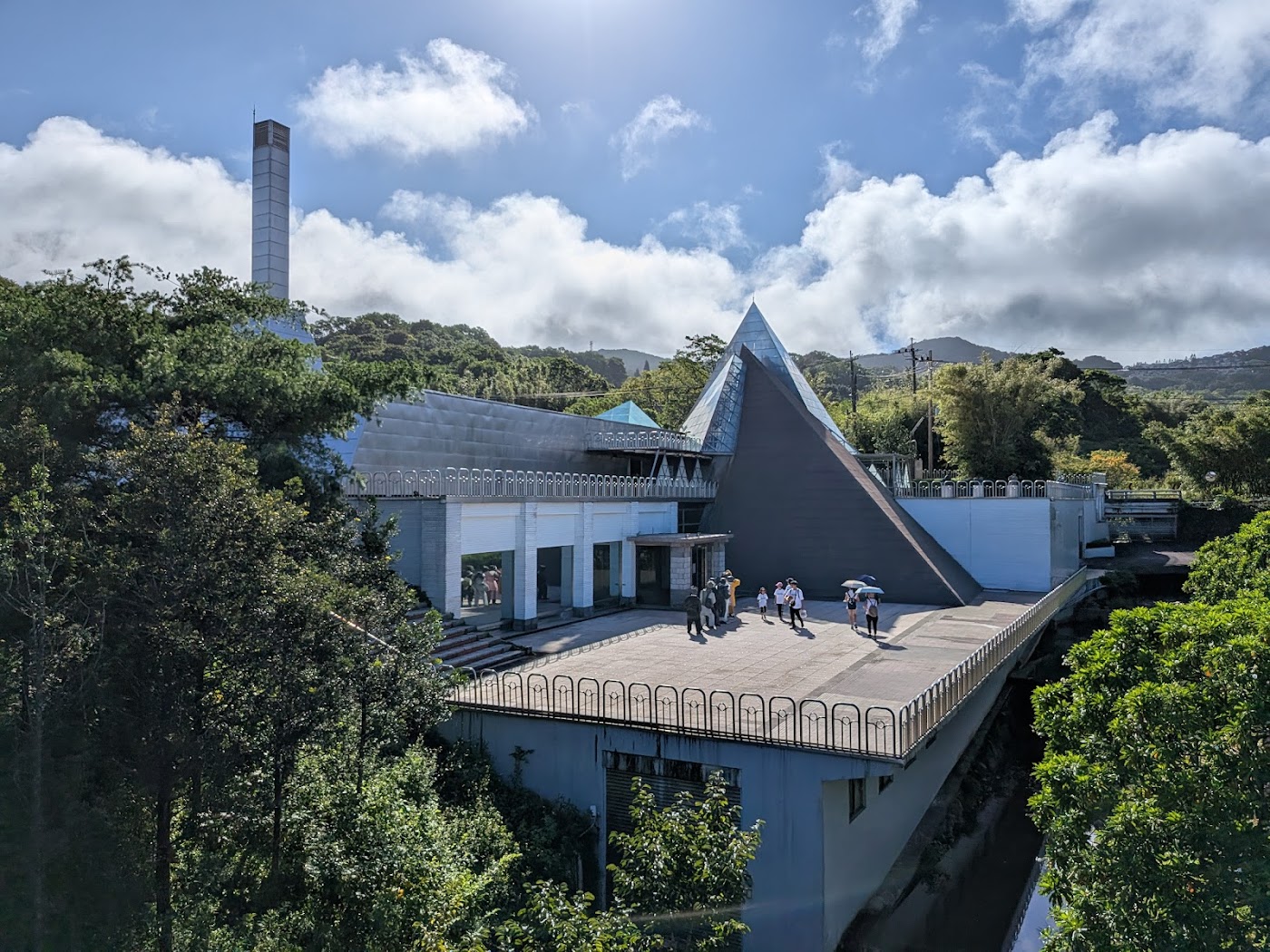
The North Coast of Taiwan, particularly the Jinshan area, offers a unique blend of art and natural wonders. This drive begins in Taipei, heading north to the Juming Museum, an expansive outdoor sculpture park in New Taipei City's Jinshan District. The museum, located at No. 2, Xishi Lake, Jinshan District, is approximately a 70-minute drive from Taipei, nestled amidst a landscape where mountains meet the sea.
Opened in 1999, the Juming Museum is the brainchild of world-renowned Taiwanese sculptor Ju Ming (1938-2023). It serves as a permanent exhibition space for his works, embodying his vision of 'humans living with art in nature.' The 110,000-square-meter site is not merely a display area but a meticulously designed land art project where the sculptures interact with the sky, wind, sunlight, and the distant ocean, blurring the lines between art and environment.
Juming Museum: A Sculptor's Grand Vision
The museum houses approximately 300 large outdoor sculptures, showcasing Ju Ming's artistic journey from his early works to his later masterpieces. His distinctive 'brush-stroke' sculpting technique brings a dynamic vitality to his figures, capturing human emotions with both humor and depth. Indoor galleries complement the outdoor experience, providing insights into his creative process and displaying smaller, experimental pieces.
Key collections include the 'Taichi Series,' monumental bronze figures set against vast lawns, harmonizing with the surrounding mountains and sky. These sculptures invite visitors to walk around them, experiencing their dynamic forms from multiple perspectives. The 'Human World Series' presents scenes of everyday life—soldiers, scientists, ordinary citizens—arranged within the natural landscape, creating an immersive theatrical experience where trees, benches, and ponds become part of the narrative.
Connecting Art and Nature: Indoor and Outdoor Spaces
The indoor exhibition halls are seamlessly integrated with the outdoor spaces. Large windows frame the natural scenery, ensuring a continuous dialogue between the art inside and the landscape outside. This architectural approach allows for an intimate appreciation of Ju Ming's smaller works while maintaining a connection to the grandeur of the outdoor park. The Children's Art Center further extends this philosophy, offering interactive experiences that encourage young visitors to engage with art through play, emphasizing art's accessibility to all.
Ju Ming famously stated, "I hope all my works stay here for life," viewing the museum itself as his final and most significant creation. The Juming Museum is thus a living architectural space where art, nature, and humanity converge to create new narratives, offering a profound architectural experience for every visitor.
The Drive to Yehliu Geopark: Nature's Sculptures
Following the artistic immersion at Juming Museum, the journey continues along the Jinshan/Shimen coastal road towards Yehliu Geopark. This scenic drive, lasting 1 to 2 hours, offers breathtaking views of Taiwan's North Coast. The Jinshan area is also renowned for its local cuisine; a stop at Jinshan Laojie (Old Street) is recommended for lunch, where specialties like Jinshan Duck Meat and various street foods like taro balls (芋圓) can be savored.
Yehliu Geopark, located in Wanli District, is a testament to nature's artistry. It features unique geological formations carved by wave and wind erosion, including the iconic Queen's Head, Candle Holders, and Mushroom Rocks. This natural sculpture park provides a striking contrast to Ju Ming's human-made art, showcasing the majestic power of geological processes. Well-maintained trails guide visitors through the park, offering educational insights into the formation of these natural wonders.
Visitor Information & Travel Tips
- Juming Museum Operating Hours: Tuesday-Sunday, 10:00-17:00 (May-October until 18:00). Closed Mondays.
- Juming Museum Admission: Adults NT$350, Students NT$250. Children under 110cm free.
- Juming Museum Location: No. 2, Xishi Lake, Jinshan District, New Taipei City, Taiwan.
- Transportation: From Taipei MRT Tamsui Station, take Bus 862 (approx. 1 hour). Car rental from Taipei takes about 1 hour 10 minutes.
- Recommended Season: Spring (March-May) or Autumn (September-November) for pleasant weather and clear views.
- Recommended Route: Taipei → Juming Museum (visit) → Jinshan/Shimen coastal drive (lunch) → Yehliu Geopark (visit) → Return to Taipei.
- Total Duration: Approximately 5-6 hours (Juming Museum 2-3 hours, drive/stops 1-2 hours, Yehliu Geopark 1-2 hours).
Visitor Info
| Estimated Visit | Translating |
| Translating | Translating |
| Translating | Translating |
| Recommended Route | Translating |