From Seoul to Gwacheon — Three Masters of Korean Modern Art
From Seoul to Gwacheon — Three Masters of Korean Modern Art
Three Masters of Korean Modern Art: A Journey from Seoul to Gwacheon
This report documents an art expedition from June 16-20, 2026, exploring the works of three pivotal figures in Korean modern art: Kim Whanki, Park Soo-keun, and Nam June Paik. The journey spans from central Seoul to the natural setting of Gwacheon, utilizing public transportation to connect key art institutions.
Leeum Museum of Art: A Complex in Hannam-dong
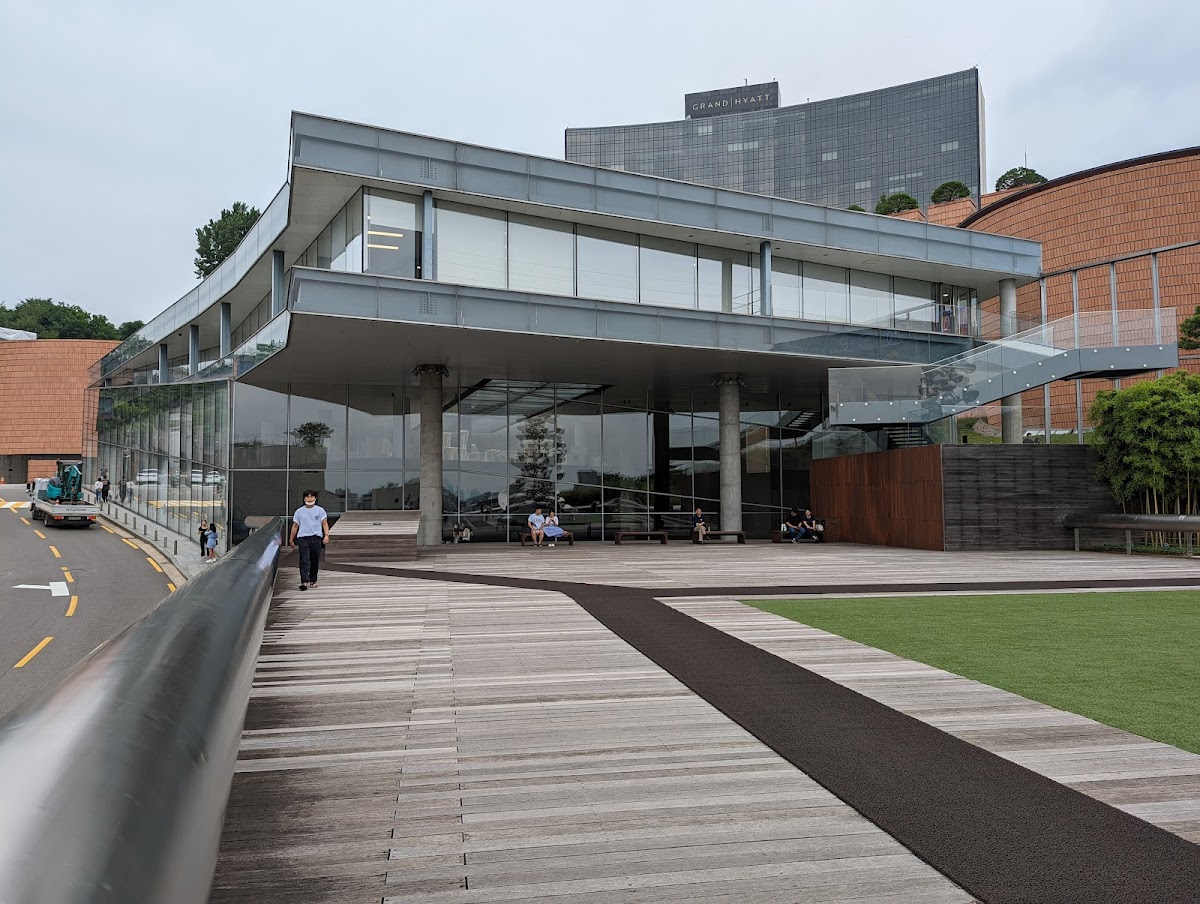
Located at 744-29 Hannam-dong, Yongsan District, Seoul, the Leeum Museum of Art is a prominent institution showcasing Korean art from ancient artifacts to contemporary works, alongside significant international modern and contemporary art. Designed by renowned architects Rem Koolhaas, Mario Botta, and Jean Nouvel, its buildings complement its mission to foster dialogue between traditional and modern artistic expressions. The museum operates from Tuesday to Sunday, 10:00 AM to 6:00 PM, with free admission. An estimated visit duration is 1.5 to 2 hours.
Leeum plays a vital role in South Korea's cultural landscape, serving as a key venue for artistic scholarship and public engagement. Kim Whanki's iconic dot painting, "Where, in What Form, Shall We Meet Again?" is a permanent feature, offering insight into his abstract period within a broader Korean and Asian art context.
Whanki Museum: Dedicated to Kim Whanki in Buam-dong
Nestled in the foothills of Inwangsan Mountain in Buam-dong, the Whanki Museum is solely dedicated to Kim Whanki's oeuvre. Opened in 1992 and designed by architect Woo Kyu-sung, the museum traces Kim's artistic journey from his early abstract works and Paris period to his famous dot paintings, including the "Universe" series. Its tranquil setting, harmonizing with nature, provides an ideal environment for deep appreciation of the artist's work.
National Museum of Modern and Contemporary Art, Seoul: A Hub in Sogyeok-dong
The MMCA Seoul, situated in Sogyeok-dong, serves as a central hub for Korean modern and contemporary art. Its permanent exhibitions frequently feature works by Park Soo-keun, often displayed alongside contemporaries like Lee Jung-seop and Kim Whanki, providing a comprehensive view of the era's artistic landscape. Park Soo-keun's unique texture and rustic themes are systematically presented here, with further retrospectives periodically held at MMCA Deoksugung, highlighting his significance in Korean modern art history.
National Museum of Modern and Contemporary Art, Gwacheon: Art in Nature
Opened in 1986, MMCA Gwacheon is located amidst the natural beauty of Cheonggyesan Mountain. It is home to Nam June Paik's monumental video tower, "The More, The Better," installed at its opening. This 18-meter-tall artwork, composed of 1,003 CRT monitors, was restored in 2022 and continues to operate, symbolizing Paik's pioneering spirit in media art. The Gwacheon branch also houses extensive collections of Korean modern and contemporary sculpture and art, including works by Park Soo-keun, Lee Ufan, and Suh Do-ho.
Nam June Paik Art Center: An Extended Experience in Yongin
For a more in-depth exploration of Nam June Paik's work, the Nam June Paik Art Center in Yongin is recommended. This specialized institution archives and showcases the entirety of his video art, from early experimental pieces to large-scale installations. It is approximately a 40-minute drive from MMCA Gwacheon, offering a comprehensive understanding of Paik's artistic legacy.
Recommended Itinerary and Visitor Information
A one-day itinerary is most efficient: Leeum Museum of Art → MMCA Seoul → MMCA Gwacheon. Travel within Seoul is best by subway and bus, with MMCA Gwacheon accessible via a 10-minute walk from Seoul Grand Park Station (Line 4). MMCA offers a combined annual pass, and major branches provide free admission on the last Wednesday of each month, designated as 'Culture Day.' For an extended visit including the Whanki Museum, a two-day itinerary is advisable, allowing time to explore the cultural and culinary offerings of Buam-dong, Samcheong-dong, and Hannam-dong. Visitors are encouraged to check official websites for current operating hours and admission fees.
Visitor Info
| Estimated Visit | Translating |
| Translating | Translating |
| Recommended Route | Translating |