부에노스아이레스 미술관 산책
부에노스아이레스 미술관 산책
Buenos Aires Museum Expedition: A Journey Through Art and History
From June 16 to 20, 2026, an expedition was conducted to explore key museums and cultural institutions in Buenos Aires, Argentina. The city, renowned for its vibrant tango and culinary scene, also hosts a rich tapestry of artistic and historical venues. This report details visits to the Museum of Latin American Art of Buenos Aires (MALBA), the National Museum of Fine Arts (MNBA), the Engineer Cervino Maritime Museum, the Museum of Mineralogy Dra. Elmira Inés Mórtola, and the Tomas Espora Cultural House Museum.
MALBA: Modern Latin American Art in Palermo
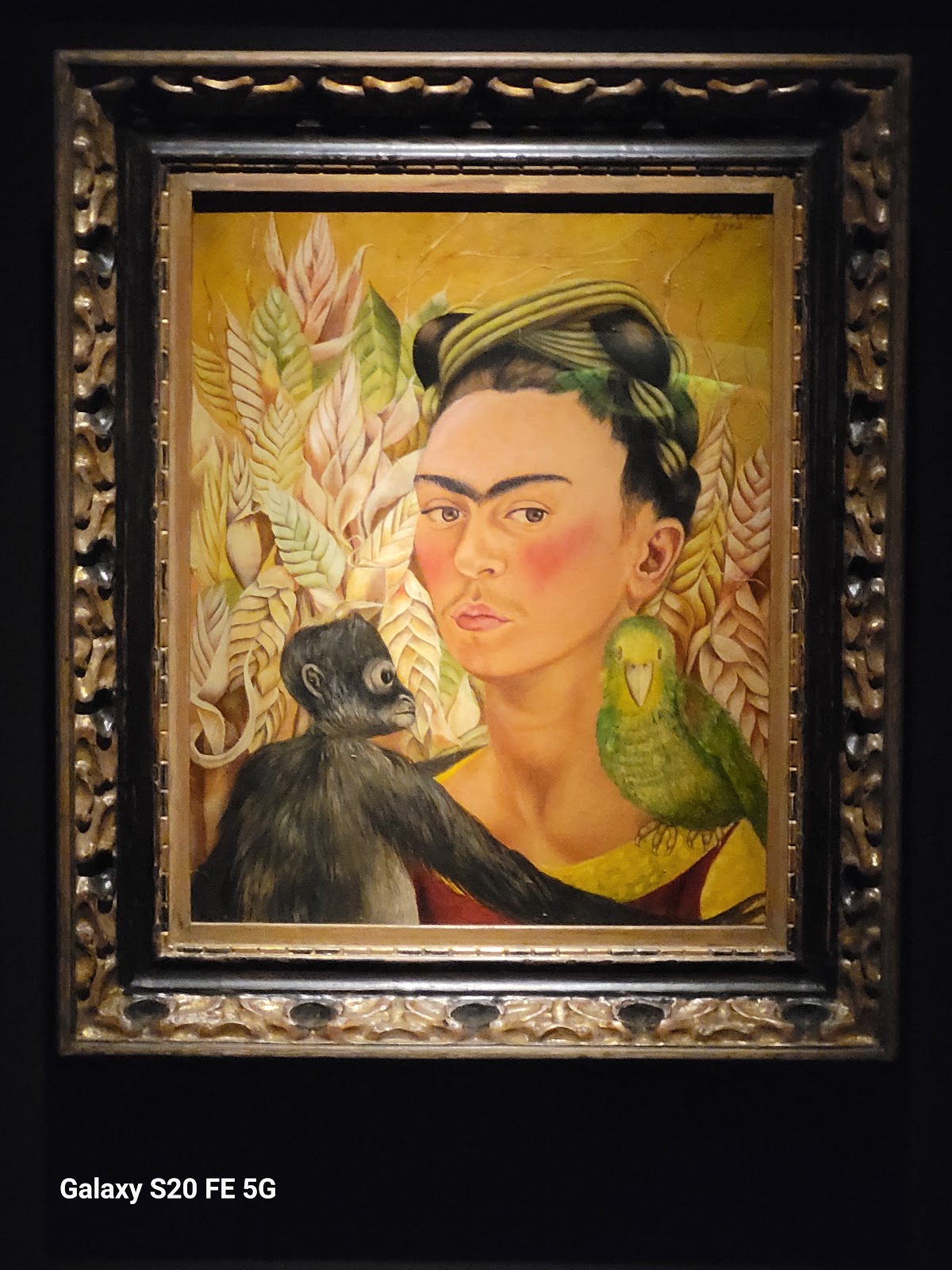
Located in the upscale Palermo district at Av. Pres. Figueroa Alcorta 3431, MALBA stands as a beacon of modern Latin American art. Opened in 2001, its contemporary architecture of glass, concrete, and aluminum seamlessly integrates with the urban landscape. The museum's collection spans from the early 20th century to the present, featuring iconic works by Frida Kahlo, Tarsila do Amaral, and Antonio Berni. Kahlo's 'Self-Portrait with Monkey and Parrot' and Amaral's 'Abaporu' are central pieces, reflecting the unique cultural narratives and artistic movements of the region. The building itself, with its expansive, naturally lit galleries, enhances the viewing experience, creating a dialogue between the art and its architectural container. Operating hours are generally from 12:00 to 20:00 on Mondays, Thursdays, Fridays, Saturdays, and Sundays, and from 11:00 to 20:00 on Wednesdays, with Tuesdays closed. Admission may be free or subject to a fee for special exhibitions.
Engineer Cervino Maritime Museum: Argentina's Naval Heritage
The Engineer Cervino Maritime Museum, situated in the Dock Sud port area at Prefectura Naval Argentina 120, offers a deep dive into Argentina's naval history and maritime heritage. This institution preserves artifacts showcasing the evolution of seafaring technology, naval traditions, and the nation's profound connection to the sea. Exhibits cover the history of the Argentine Navy from the colonial era to modern times, including old sea charts, navigation equipment, and models of immigrant ships. The museum also highlights the significant role of European immigration through the port in the 19th and 20th centuries. Displays on lighthouses and the lives of lighthouse keepers further illustrate human efforts in maritime safety. The museum is open Monday to Friday from 08:00 to 13:00 and is closed on weekends. Admission is free.
National Museum of Fine Arts (MNBA): Neoclassical Grandeur in Recoleta
The National Museum of Fine Arts, Argentina, located in the elegant Recoleta district at Av. del Libertador 1473, is housed in a grand Neoclassical building. Originally a water pump station from the 1870s, it was transformed into a museum in the 1930s by architect Alejandro Bustillo. Opened in 1909, the MNBA boasts a vast collection of over 12,000 works, tracing Argentine art from the colonial period to the present, alongside European masters. Notable Argentine artists like Ángel Della Valle and Eduardo Sívori are featured, as well as European works such as Rodin's 'The Thinker'. Bustillo's architectural design emphasizes spacious galleries with ample natural light, creating an immersive environment for art appreciation. The museum is closed on Mondays, open Tuesday to Friday from 11:00 to 19:30, and on Saturdays and Sundays from 10:00 to 19:30. Admission is generally free or a small fee may apply.
Museum of Mineralogy Dra. Elmira Inés Mórtola: Earth's Natural Art
The Museum of Mineralogy Dra. Elmira Inés Mórtola, part of the University of Buenos Aires' Faculty of Natural Sciences, is located at Acceso Pabellón 1 2 on the Ciudad Universitaria campus. This museum presents a unique experience, showcasing the geological diversity of Argentina and beyond through an impressive collection of mineral specimens. Visitors can admire countless minerals in various colors, shapes, and crystal structures, including massive amethyst geodes and mesmerizing fluorescent minerals under UV light. The museum also features meteorite fragments, offering a glimpse into cosmic geology. It serves as an important educational and research center, fostering scientific literacy and an appreciation for the natural world. The museum is open Tuesday to Sunday from 10:00 to 18:00 and is closed on Mondays. Admission is free or a small fee may apply.
Tomas Espora Cultural House Museum: Adrogué's Local History
Further south of Buenos Aires city center, in the charming suburban village of Adrogué at Alberti 2181, lies the Tomas Espora Cultural House Museum. This museum preserves and exhibits a diverse collection reflecting Argentine history and culture, particularly focusing on the local development of Adrogué. The village, known for its tree-lined streets, beautiful gardens, and British-style architecture, was a retreat for Buenos Aires' upper class and inspired writer Jorge Luis Borges. The museum showcases the life and achievements of Tomas Espora, a local writer and politician, and the early history of Adrogué through old photographs and artifacts. Visiting this museum also offers the opportunity to stroll through the peaceful village, exploring its unique architecture and charming cafes. The museum is open Tuesday to Sunday from 10:00 to 18:00 and is closed on Mondays. Admission is free or a small fee may apply.