파리 인상주의 여행
Bonjour, art lovers! It's wonderful to greet you again from my beloved Paris. This city, no matter how many times I visit, always unveils a fresh, captivating face. Paris, the cradle of Impressionism and a vibrant hub for contemporary art, offers an unparalleled array of cultural experiences. On this journey, I invite you to join me as I revisit some of its most timeless and thought-provoking museums, sharing the moments of profound beauty and revelation I encountered. From sun-drenched strolls along the Seine to intimate discoveries within the labyrinthine streets of Le Marais, let's dive into the artistic heart of Paris.
Musée de l'Orangerie: Stepping into Monet's Water Lilies
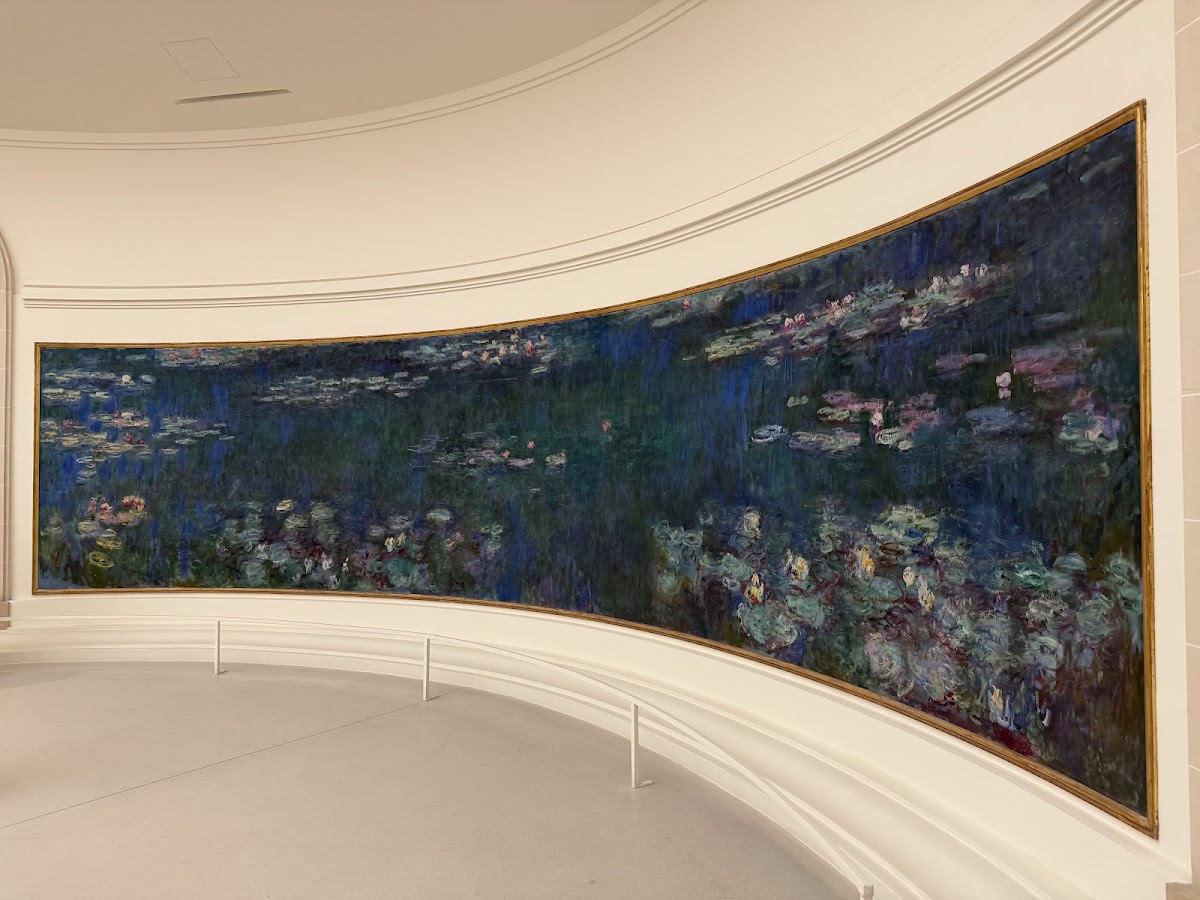
Nestled at the edge of the Tuileries Garden, the Musée de l'Orangerie is a sanctuary where Claude Monet's genius truly breathes. To enter here is to be transported directly into the heart of his Giverny pond, a truly mystical experience. The museum's undeniable highlight is Monet's Water Lilies series. Within two elliptical rooms, these eight monumental canvases unfurl in a continuous panorama, wrapping you in an embrace of light, color, and reflection. The absence of sharp angles, the soft, diffused light, and the sheer scale create an immersive environment. You don't just observe; you are enveloped, feeling the gentle undulations of water, the shifting light of dawn, midday, and dusk. It's a meditative journey, a testament to Monet's lifelong obsession, inviting quiet contemplation and profound peace. Each brushstroke feels like a ripple, drawing you deeper into his serene aquatic world.
Galerie Janette Ostier: A Whisper in the City
Amidst the grand institutions, Paris offers treasures off the well-trodden path. My quest for unique artistic perspectives led me to Galerie Janette Ostier, a quiet revelation tucked away in the 6th arrondissement. This isn't a place of bustling crowds, but rather an intimate space where art is encountered with personal resonance. Specializing in rare, often vintage, photography, the gallery feels like stepping into a collector's private archive. I remember the hushed reverence as I explored works by masters like Man Ray and Dora Maar, each photograph telling a silent story, a fragment of history. It was a moment of pure, unadulterated discovery, far from the madding crowd, allowing for a deep connection with the art and artists. The experience wasn't about spectacle, but about the profound power of a single image to transport and provoke thought, a truly Parisian secret whispered only to those who seek it.
Bourse de Commerce: From Grain to Grandeur
The Bourse de Commerce stands as a magnificent testament to Parisian architectural evolution, a true phoenix rising from its own past. Once a bustling hub for commodity exchange, its circular form now cradles the contemporary art collection of François Pinault. The transformation is breathtaking. Walking beneath the grand dome, sunlight streams through the oculus, illuminating intricate ironwork and the spiral ramp ascending through its core. The genius lies in how architects, Tadao Ando, seamlessly integrated modern minimalist interventions within the historical shell. Raw concrete walls of new exhibition spaces starkly yet harmoniously contrast with the original ornate frescoes and classical columns. It’s a dialogue between centuries, between commerce and creation, where echoes of past transactions now resonate with bold artistic statements. This building doesn't just house art; it is a work of art, a profound statement on preservation and reinvention.
Musée d'Orsay: Where Time Stands Still and Moves On
The Musée d'Orsay captivates even before you enter its halls, its very being a narrative of transformation. This grand Beaux-Arts railway station, Gare d'Orsay, once buzzed with the comings and goings of train passengers. Today, its vast, vaulted nave serves as an awe-inspiring stage for a different kind of journey: a voyage through 19th and early 20th-century art. The grand station clock, now a transparent window offering panoramic views of the Seine and Montmartre, is a poignant reminder of its past life. As I wandered through the former platforms, now galleries, I felt the echoes of steam engines and hurried goodbyes, yet my gaze was drawn to the revolutionary brushstrokes of Manet, Renoir, Degas, and Van Gogh. The museum masterfully presents the transition from academic art to Impressionism and Post-Impressionism, showcasing how artists broke free from convention. It's a place where history and art intertwine, where its industrial past provides an unexpected, yet perfect, backdrop for masterpieces that redefined beauty.
Centre Pompidou: An Inside-Out Marvel in Le Marais
Venturing into the historic streets of Le Marais, one might expect quaint boutiques and ancient hôtels particuliers. Then, like a vibrant, defiant exclamation mark, the Centre Pompidou erupts into view. Its radical "inside-out" architecture, with exposed pipes, ducts, and escalators painted in primary colors, is a constant source of fascination and, for some, controversy. It's a building that deliberately challenges its surroundings, a playful, industrial giant amidst elegant stone. Ascending the exterior escalators, encased in their transparent tube, offers an ever-changing panorama of Paris, a dynamic viewing platform making the journey to the art an experience in itself. Inside, the sheer breadth of its modern and contemporary collection is staggering, from Picasso and Matisse to cutting-edge installations. The Pompidou doesn't just house art; it's an active participant in the urban fabric, a bold statement about modernity, accessibility, and the ongoing dialogue between art and life in the heart of a beloved Parisian district.
Practical Tips for Your Parisian Art Journey
To make the most of your museum visits, consider purchasing a Paris Museum Pass for convenient access to many sites, including Orsay, Orangerie, and Pompidou. Book timed entry tickets online in advance, especially for popular museums, to avoid long queues. Wear comfortable shoes – you'll be doing a lot of walking! Many museums offer free entry on the first Sunday of the month, but expect larger crowds. For a more intimate experience at smaller galleries like Galerie Janette Ostier, it's often advisable to check their website for opening hours or even make an appointment. Don't forget to look up and around; the buildings themselves are often as much a part of the art experience as the collections they hold. Allow ample time for each visit, and discover the charming cafes and shops that surround these cultural landmarks.

