로마 고대 & 르네상스
Hello, fellow culture enthusiasts! As a travel writer dedicated to unearthing treasures worldwide, I recently journeyed through Rome, a city where every cobblestone whispers tales of epochs past. Beyond the iconic landmarks, I discovered hidden gems: museums and galleries spanning ancient Rome's echoes, Renaissance opulence, and the intriguing intersections of science and art. Rome proved a living history textbook. I'm eager to share the stories encountered during my personal explorations of five distinct and captivating institutions. Join me as we delve into the unique charm each museum holds.
Galleria Nazionale d'Arte Antica (Barberini Palace)
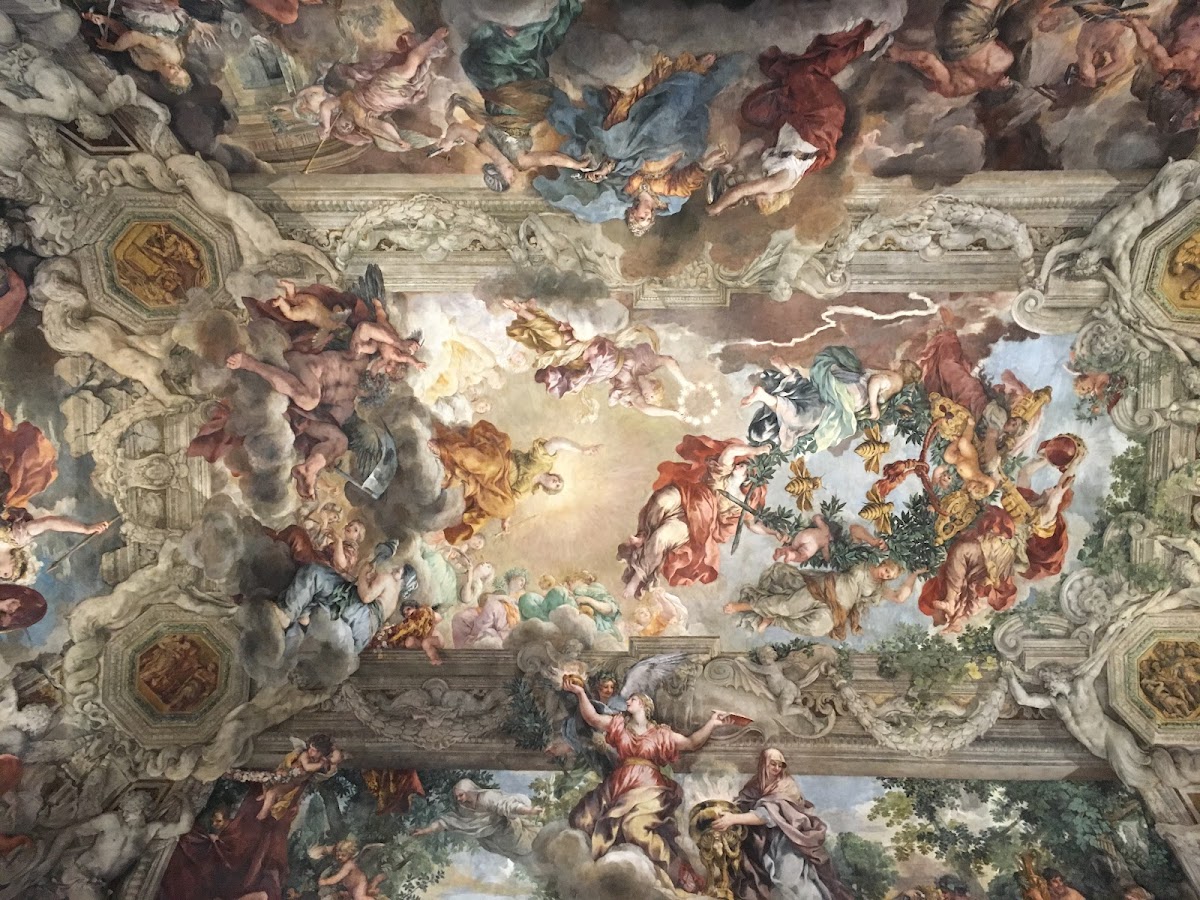
My Roman exploration began at the magnificent Barberini Palace, housing part of the Galleria Nazionale d'Arte Antica. This wasn't merely a space for art; it was a colossal architectural masterpiece. Stepping inside, the sheer scale was breathtaking. Bernini's audacious spiral staircase, a graceful helix of stone, seemed to float upwards. In stark contrast, Borromini's square staircase offered geometric precision and understated power. Wandering through frescoed halls, I felt enveloped by the Baroque era. The palace itself, built for the powerful Barberini family, spoke volumes of their ambition and refined taste. It was a journey through art carved in marble and painted onto plaster, an immersive architectural narrative that captivated me before I even focused on the canvases.
Boncompagni Ludovisi Decorative Art Museum
I sought a more intimate encounter at the Boncompagni Ludovisi Decorative Art Museum. Tucked away in a quiet aristocratic villa, it felt less like a museum and more like stepping into a private world, frozen in time. A delicate stillness invited slow contemplation. My eyes lingered on exquisite late 19th and early 20th-century fashion – intricate lace, shimmering silks, and tailored suits, speaking of societal rituals. Rooms were furnished with period pieces, from ornate vanity tables to plush sofas. Each display, from delicate porcelain to hand-stitched tapestries, offered a glimpse into Rome’s elite daily lives. It was a personal journey, imagining the rustle of a silk gown or quiet contemplation over a crafted jewel. This museum whispers stories, revealing the gentle beauty of lived history, a refreshing counterpoint to grander institutions.
Museo Civico di Zoologia
My curiosity then led me to the Museo Civico di Zoologia, transporting me from Rome's urban bustle into the natural world. While numerous specimens filled cases, it was the meticulously crafted dioramas that truly captivated. These vivid, three-dimensional scenes, each a miniature ecosystem, brought the animal kingdom to life with astonishing realism. I stood before one depicting the African savanna, where taxidermied lions surveyed their domain amidst expertly painted backdrops. Another showcased Roman campagna birdlife, with falcons mid-flight and songbirds perched on sculpted branches. The artistry in capturing not just the animals, but their habitats and behaviors, was profound. It offered a quiet reflection on biodiversity and the scientific endeavor to understand life's myriad forms, presented with an almost theatrical flair.
Museo Storico Nazionale dell'Arte Sanitaria
Delving into a fascinating, if unsettling, aspect of human endeavor, I visited the Museo Storico Nazionale dell'Arte Sanitaria. Housed within the ancient Santo Spirito in Sassia hospital complex, it charts the compelling, often gruesome, history of medicine. Walking its corridors felt like traversing centuries of healing and suffering. I examined an astonishing array of artifacts: ancient Roman surgical instruments, terrifyingly blunt, and intricate anatomical wax models used for teaching. Exhibits detailed pharmacology's evolution, displaying antique apothecary jars and esoteric herbal remedies. The collection highlighted not just scientific advancements, but societal beliefs surrounding illness. It was a stark reminder of how far medical science has come, prompting reflection on early practitioners' bravery and humanity's quest to conquer disease. A macabre yet utterly compelling journey through our battle against mortality.
Museo di Mineralogia Roma
My Roman museum odyssey concluded at the Museo di Mineralogia Roma, nestled within the venerable Sapienza University campus. The stroll through bustling academic quadrangles, feeling the intellectual energy, was part of the experience. The museum, though less heralded, proved a dazzling testament to Earth's geological artistry. Inside, I was struck by the sheer diversity and vibrant beauty of the mineral kingdom. Cases glowed with iridescent crystals: amethyst geodes, pyrite cubes, and delicate quartz formations. Each meticulously labeled specimen told a story of geological forces and unimaginable timescales. It was a powerful reminder of the planet's hidden wonders, transforming raw elements into breathtaking natural sculptures. The academic setting lent a quiet reverence, emphasizing the scientific study behind the aesthetic appreciation, a brilliant finale to my Roman explorations.
Practical Tips
For fellow travelers planning to explore Rome’s less-trodden museum paths, here are a few practical pointers: The Galleria Nazionale d'Arte Antica (Barberini Palace) is a must, but check their website for varied opening hours and consider booking online. The Boncompagni Ludovisi Decorative Art Museum requires verifying specific schedules due to limited access. Museo Civico di Zoologia, near Bioparco, is family-friendly and easily combined with a park visit. The Museo Storico Nazionale dell'Arte Sanitaria, within the Santo Spirito in Sassia complex, suits those with specific medical history interests; confirm visiting days. Finally, Museo di Mineralogia Roma on the Sapienza University campus is straightforward but verify academic break hours. Most are accessible by public transport, but comfortable walking shoes are essential. A Roma Pass can offer discounted entry and public transport benefits.
