상파울루 현대미술
상파울루 현대미술
MASP: An Architectural Icon on Paulista Avenue
The Museu de Arte de São Paulo (MASP), located at Av. Paulista, 1578, stands as an architectural marvel and a cultural beacon in São Paulo. Designed by Lina Bo Bardi in 1968, the museum's striking design features a massive concrete and glass block suspended by four monumental red steel beams, creating a vast open space beneath. This plaza serves as a vibrant public square, hosting markets and cultural events, embodying Bo Bardi's vision of a democratic space for the city.
MASP houses a collection of over 11,000 works, spanning European paintings, African and Asian art, and a significant collection of Brazilian modern art. Renowned artists like Renoir, Gauguin, and Picasso are represented. Inside, Bo Bardi's innovative 'glass easel' display system presents artworks on transparent supports, allowing visitors to navigate freely and engage with the art in an unconstrained manner, fostering a unique dialogue between the viewer, the art, and the surrounding space.
Galeria Prestes Maia: Art as Social Commentary
Galeria Prestes Maia, situated at Viaduto do Chá, 16 in São Paulo's historic center, offers a distinct experience from traditional galleries. Once an abandoned building, it has been transformed into a communal living space and an active hub for artistic and social movements. Its exterior is adorned with large-scale graffiti and murals, serving as powerful visual narratives of the city's social issues and inequalities.
The art within Prestes Maia is deeply intertwined with the lives of its residents and the broader urban context. It functions as a platform for critical dialogue and a testament to art's role in social resistance. Visitors encounter a diverse range of artistic expressions, from paintings and sculptures to poetry and slogans, all contributing to a living museum that reflects São Paulo's complex urban landscape and the power of art to instigate change.
Galeria Luisa Strina: A Hub for Contemporary Art
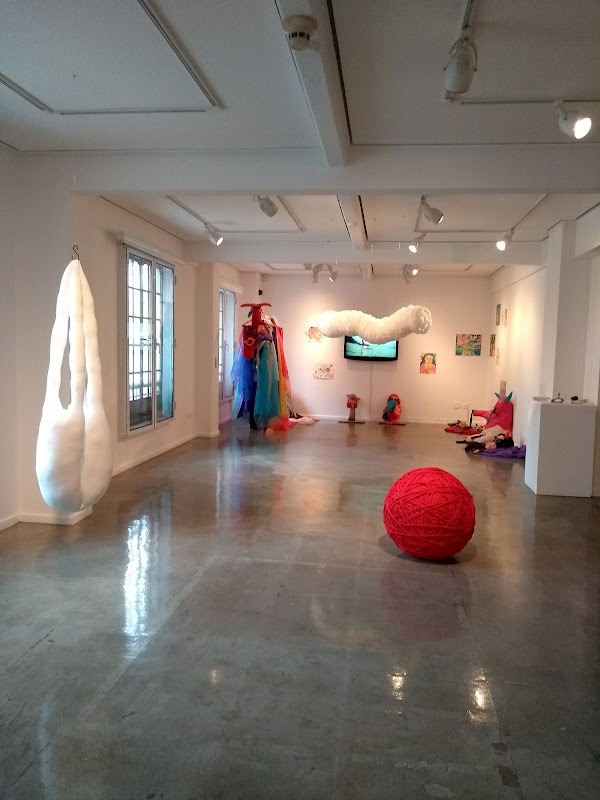
Located at R. Padre João Manuel, 755 in the Cerqueira César district, Galeria Luisa Strina is a leading contemporary art gallery in Brazil. It is recognized for its significant role in promoting both established and emerging artists within the global art scene. The gallery's minimalist design ensures that the focus remains entirely on the art, providing an ideal setting for contemplation.
The gallery consistently presents innovative exhibitions that reflect current artistic concerns and push the boundaries of visual expression. Its program features experimental and challenging works by Brazilian and internationally acclaimed artists, fostering critical dialogue and contributing to the vibrant cultural landscape of South America and beyond. A visit here offers insights into the dynamic and international nature of Brazilian contemporary art.
Luciana Brito Gallery: Modernist Architecture Meets Contemporary Art
Luciana Brito Gallery, at Av. Nove de Julho, 5162 in Jardim Europa, is housed within a 1950s residence designed by renowned Brazilian modernist architect Rino Levi. This unique setting allows for a harmonious blend of art, architecture, and nature. The gallery's spaces, characterized by Levi's minimalism and functionality, are bathed in natural light and seamlessly connect to a beautifully landscaped garden.
The gallery showcases a diverse range of artistic practices, engaging with critical social and cultural issues. The architectural context enhances the artworks, creating new narratives as pieces interact with their environment. Luciana Brito Gallery actively participates in the international art circuit, contributing significantly to the São Paulo art scene and the broader global discourse on contemporary art, offering a unique experience where art and its setting mutually enrich each other.
Museum of Zoology of the University of São Paulo: Exploring Biodiversity
The Museum of Zoology of the University of São Paulo (Museu de Zoologia da USP), located at Av. Nazaré, 481 in Ipiranga, is a vital institution dedicated to the study and preservation of biodiversity. While not an art museum, its extensive collection of zoological specimens from Brazil and beyond can be viewed as a grand 'exhibition' of life's history and evolution.
Visitors can explore everything from colossal dinosaur skeletons to meticulously preserved Amazonian animals, insects, and rare bird and reptile specimens. These exhibits serve as crucial resources for scientific research, education, and public engagement with the natural world, fostering an appreciation for the planet's diverse fauna and the intricate processes of evolution. It offers a unique perspective on the 'art' created by nature over millions of years.