Blue Art Flowing on the River of Time: Lisbon, a Portrait of Azulejo and the Age of Discoveries
Blue Art Flowing on the River of Time: Lisbon, a Portrait of Azulejo and the Age of Discoveries
Belém's Place – History and Modernity on the Tagus River
Lisbon's Belém district, situated along the Tagus River, is a historical area where the Jerónimos Monastery and Belém Tower stand as symbols of the Age of Discoveries. Amidst this rich historical landscape, the Museu Coleção Berardo, a beacon of modern art, is located within the Belém Cultural Centre (CCB) at Praça do Império.
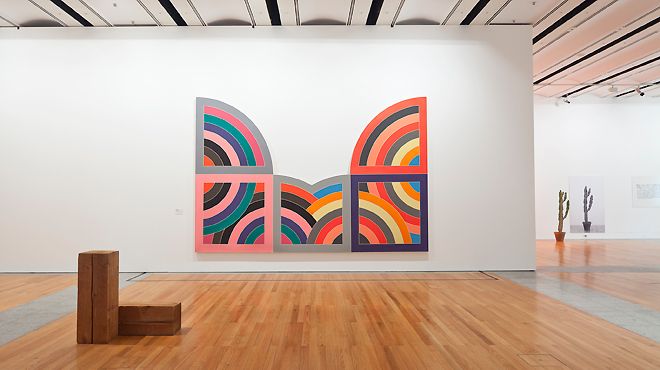
The CCB's contemporary architectural design contrasts with the ornate historical monuments, creating a unique dialogue between Lisbon's past and present. The museum, spanning approximately 7,000 square meters within the center, offers an optimal environment for art appreciation with its spacious and open layout.
Founding of the Berardo Museum – José Berardo's Collection from 2007
The Berardo Museum was established in 2007, built upon the extensive private collection of renowned Portuguese art enthusiast José Berardo. It quickly became one of Portugal's leading museums, showcasing modern and contemporary art from the early 20th century to the present day. Berardo's collection comprises nearly 900 displayed works, making it one of Europe's significant collections of 20th and 21st-century art.
The collection traces the evolution of modernism through Cubism, Futurism, Surrealism, Dada, Abstract Expressionism, Pop Art, Minimalism, Arte Povera, and contemporary practices. It features works by global masters such as Picasso, Duchamp, Mondrian, Pollock, Warhol, Lichtenstein, Bacon, and Hockney, alongside prominent Portuguese artists like Paula Rego and Helena Almeida.
A Broad Spectrum of Collections – 20th and 21st Century Art
The museum's collection offers a comprehensive journey through the major movements of 20th and 21st-century art. Visitors can explore groundbreaking movements like Cubism, Surrealism, and Dadaism from the early 20th century, followed by post-war art trends such as Abstract Expressionism, Pop Art, Minimalism, and Conceptual Art.
Each section provides insights into the prevailing spirit, philosophy, and artistic struggles of its time, allowing visitors to understand the evolution of art over more than a century. The museum's layout guides visitors through this visual narrative, offering a structured yet engaging experience.
Exploring Surrealism – The Boundary Between Reality and Dreams
The Surrealism section transports visitors into a realm where the boundaries between reality and dreams blur. Salvador Dalí's imaginative works, featuring melting clocks and bizarre figures, evoke a sense of exploring the depths of the subconscious.
René Magritte's art challenges conventional perceptions by placing everyday objects in unexpected contexts, prompting questions about what we take for granted. These Surrealist pieces stimulate individual imagination, offering a powerful experience that transcends logic and reason.
Pop Art's Popular Gaze – Reflecting Consumer Society
The Pop Art section captivates with its vibrant and fresh approach. Andy Warhol's silkscreen prints, utilizing celebrity portraits and everyday product images, offer new perspectives on popular culture and consumer society. Warhol's work critically engaged with commercialism and image saturation while elevating them to the realm of art.
Roy Lichtenstein's comic-inspired works, with their bold colors and thick outlines, vividly convey the energy of mass culture. These pieces demonstrate that art can be enjoyable and closely connected to daily life, showcasing the transformation of popular icons into artistic expressions.
Abstract Expressionism's Dynamics – Expression of Inner Energy
Other areas of the museum showcase Abstract Expressionism and other post-war art movements. Dynamic works reminiscent of Jackson Pollock's 'action paintings' appear to pour the artist's inner energy and emotions onto the canvas. The accidental spills of paint and brushstrokes create abstract forms that invite personal interpretation and deep contemplation.
These abstract works demonstrate that powerful messages can be conveyed through pure color, line, and texture, beyond conventional forms. They offer an opportunity to visually experience the artist's inner landscape and emotional intensity.
Minimalism and Conceptual Art – Fundamental Questions of Art
The Minimalism and Conceptual Art sections reveal that art can exist as an 'idea' itself, beyond mere aesthetic forms. Works that convey essential messages through extremely restrained forms, colors, and materials demand deep reflection from the viewer, prompting fundamental questions like 'What is art?'
These pieces illustrate the flexible and expansive nature of art's definition. The complex philosophy embedded in simplicity clearly indicates the direction of modern art, encouraging intellectual engagement from the audience.
Visitor Information – Practicalities of the Visit
Admission to the Berardo Museum's permanent exhibition is free. For special exhibitions, a separate fee may apply, and it is recommended to check the official website before visiting.
- Opening Hours: Daily from 10:00 to 19:00. The museum is closed on Mondays, December 25th, and January 1st. Visitors are advised to check the official website for any changes.
- Transportation: The Belém district is easily accessible from central Lisbon via Tram 15 (from Praça da Figueira or Cais do Sodré), various bus lines (728, 714, 727, 729, 751), or by train (from Cais do Sodré to Belém station). Its location within the Belém Cultural Centre makes it convenient to find.
- Reservation: No reservation is required for permanent exhibitions. However, for group visits or special exhibitions, reservations may be necessary, so it is advisable to check the relevant exhibition information in advance.
Exploring the Surrounding Area – Gastronomy and History
The Belém district is also a culinary destination. Within walking distance of the museum is 'Pastéis de Belém,' the original home of Lisbon's famous egg tarts. Visitors can enjoy freshly baked warm egg tarts with a cup of coffee.
Along the Tagus River, numerous restaurants offer various seafood dishes, providing an excellent option for a leisurely meal after the museum visit. The 'Las Docas' area features a lively collection of casual restaurants and bars, perfect for experiencing Lisbon's evening atmosphere. Belém offers a rich blend of modern art, history, and gastronomy.
Visitor Info
| Estimated Visit | Translating |
| Translating | Translating |
| Translating | Translating |
| Recommended Route | Translating |