From Kyoto to Naoshima: Conquering Japan's Art Islands
From Kyoto to Naoshima: Conquering Japan's Art Islands
Journey to Japan's Art Islands: Kyoto to Setouchi
The journey to Japan's art islands in the Seto Inland Sea typically begins from Kyoto. Travelers take the Shinkansen to Okayama, then connect to a ferry for Naoshima and Teshima. This route offers a deliberate transition from urban pace to an immersive experience of art and nature. Upon arrival, the islands greet visitors with a fresh sea breeze and an atmosphere permeated with art. Here, museum buildings are artworks themselves, and nature serves as a canvas, transforming every vista into a living masterpiece. Cycling along the islands' paths, one encounters large-scale art installations amidst the blue sea and green hills.
A recommended itinerary spans 3 nights and 4 days, focusing on Naoshima and Teshima. The journey starts in Kyoto, proceeds to Okayama, then to Uno Port for the ferry. It includes overnight stays on Naoshima and Teshima, with a final night either back on Naoshima or in Okayama. Spring (April-May) or Autumn (October-November) are ideal times to visit, offering pleasant weather and aligning with the Setouchi Triennale for enhanced art experiences. This expedition provides a direct encounter with the Seto Inland Sea's role in promoting art appreciation and sustainable cultural tourism.
Teshima Art Museum: A Droplet on the Hillside
The Teshima Art Museum, located at 607-93 Teshimakarato, Tonosho, Shozu District, Kagawa, Japan, sits on a tranquil hillside of Teshima Island. Its organic form, resembling a giant water droplet, is a signature design by architect Ryue Nishizawa of SANAA. This thin concrete shell structure blurs the boundaries between walls and roof, blending seamlessly with the surrounding rice paddies and ocean landscape. The museum exemplifies a perfect integration of nature, art, and architecture.
Opened in 2010 as part of the Benesse Art Site Naoshima network, the museum's interior is illuminated and ventilated solely by two circular openings in its ceiling, which invite natural light, wind, and sounds. There is no furniture or conventional exhibits inside. Instead, artist Rei Naito's permanent work, 'Matrix,' features water droplets emerging from the floor, creating a dynamic, ever-changing landscape throughout the day. Visitors enter barefoot, experiencing the cool, smooth concrete floor, while the space is filled with the quiet sounds of wind, birds, and subtle echoes.
Nishizawa Ryue's Architecture and Naito Rei's "Matrix"
Ryue Nishizawa's architectural philosophy for the Teshima Art Museum centers on experiencing nature through the building without disrupting it. The two circular openings in the ceiling allow the sky, wind, light, and raindrops to enter the interior directly. On rainy days, raindrops create delicate patterns on the floor, while sunlight casts shifting shadows, constantly altering the space's ambiance. This design encourages visitors to engage with the space and artwork through all five senses rather than just visually.
Rei Naito's 'Matrix' is the sole artwork within the museum. Water droplets continuously emerge from tiny pores in the floor, moving, gathering, and dispersing. This symbolizes the birth, demise, and circulation of life, with movements that are unpredictable yet follow natural principles. Focusing on the subtle sounds and movements of the water droplets in the serene space often leads visitors into deep meditation. The work offers a unique experience that changes with the seasons, time of day, and weather, making the Teshima Art Museum a space for healing and contemplation.
Naoshima: An Island-Wide Art Experience
Naoshima, located in Kagawa District, Kagawa Prefecture, Japan, is often described as an island-wide museum, where art, nature, and daily life intertwine. It features architectural works by Tadao Ando and installations by internationally acclaimed artists, all deeply integrated into the island's natural and village landscapes. Renting a bicycle at Miyanoura Port to explore the island is a popular way to discover unexpected artworks amidst the scenic beauty of the sea and hills.
Benesse Art Site Naoshima is a unique contemporary art institution that integrates art, architecture, and nature across the island. It is renowned for its permanent installations and exhibitions that interact with the island's landscape and local community, showcasing works by acclaimed artists. Art on Naoshima is not confined to buildings; structures like the Benesse House Museum, Chichu Art Museum, and Lee Ufan Museum, all designed by Tadao Ando, are deeply connected to their natural surroundings.
Chichu Art Museum: Light and Space Underground
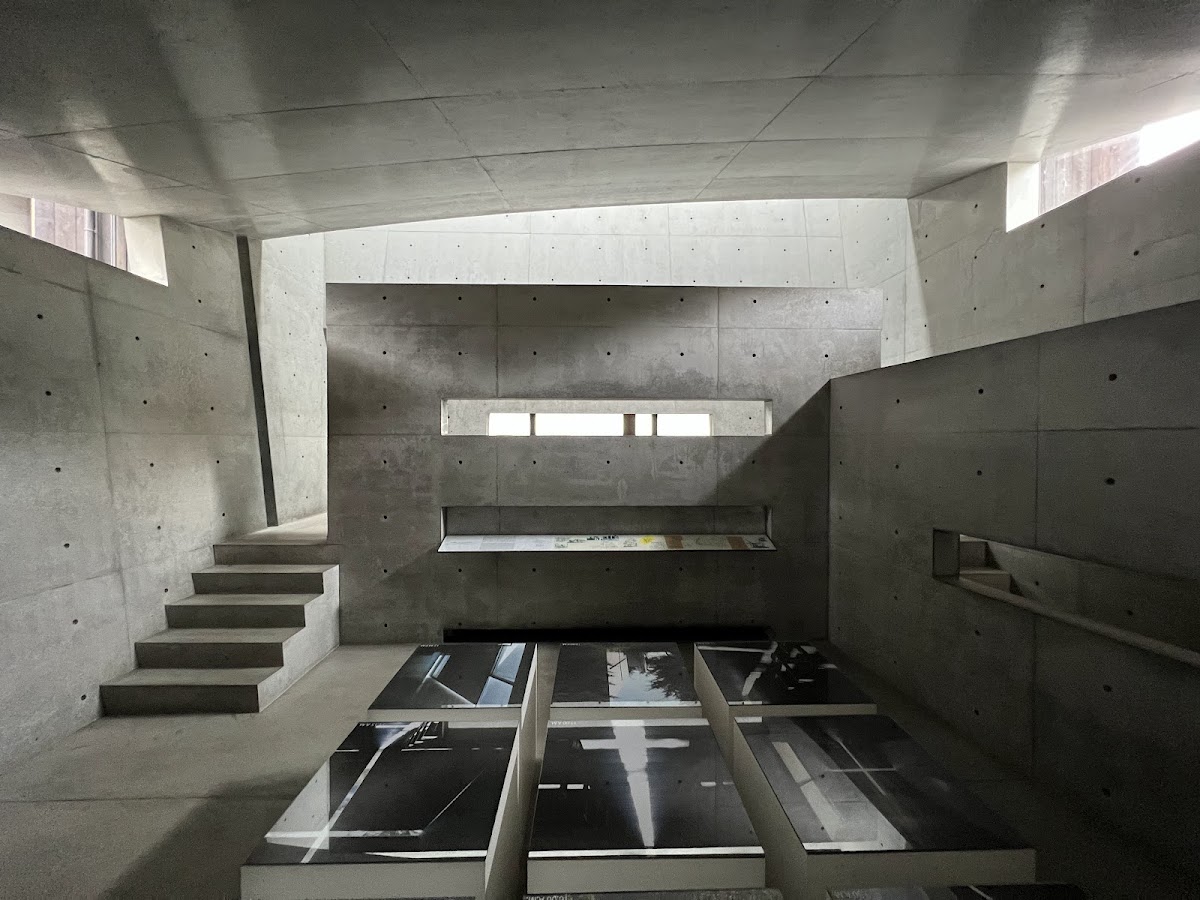
The Chichu Art Museum, a prominent Tadao Ando design on Naoshima, is built almost entirely underground. This design reflects Ando's philosophy of preserving nature while allowing visitors to experience art through the interplay of light and shadow. Inside, works by Claude Monet (Water Lilies series) and James Turrell (light installations) are presented, their appearance constantly changing with the natural light filtering in from above.
The museum offers a unique, immersive experience where the art's perception shifts with external weather, time of day, and the visitor's movement. It provides an intimate encounter with light and space, creating a paradoxical beauty of being underground yet intimately connected to nature. Advance online reservation with a specified time slot is essential for entry. The museum is closed on Mondays (or the following day if Monday is a public holiday).
Benesse House Museum: Art and Accommodation
The Benesse House Museum, also designed by Tadao Ando, combines a hotel and an art museum. This unique concept allows guests to live with art, sleeping and waking amidst the collections. The museum offers expansive sea views, ensuring that even outside the exhibition spaces, the vast natural artworks of the sea and sky greet visitors. The Benesse House Museum operates year-round, from 08:00 to 21:00.
As a core facility of Benesse Art Site Naoshima, it features permanent installations and exhibitions that engage with the island's landscape and community. Guests staying at Benesse House enjoy free admission, while general visitors pay 1,300 yen. Children under 15 enter for free. The Benesse House Museum provides a distinctive experience where art and daily life merge seamlessly.
Art House Project: Art Integrated with Village Life
The 'Art House Project' in the Honmura district is a vital component of Naoshima's art scene. This project transforms old traditional houses into art installations, naturally blending them into the village's historic landscape. Visitors wander through narrow alleys, discovering hidden artworks tucked away among ordinary homes. The surprise of finding contemporary art within a seemingly normal house with a nameplate is a memorable experience.
These artworks not only offer visual engagement but also embody the village's history and the residents' lives, providing visitors with a treasure hunt-like enjoyment. The project is a beautiful example of how art can revitalize a community and foster interaction between residents and visitors. It operates from 10:00 to 16:30, closed on Mondays (or the following day if Monday is a public holiday). A common ticket for six facilities costs 1,050 yen, or 400 yen per facility.
Outdoor Sculptures: Iconic Island Markers
Outdoor sculptures are scattered across Naoshima, harmonizing with the island's landscape. The most famous are Yayoi Kusama's yellow and red pumpkins, located near Miyanoura Port and in front of Benesse House. These colossal pumpkins, set against the backdrop of the sea, have become island symbols and popular photo spots. They enhance Naoshima's identity by blending art with the natural scenery.
Discovering other artists' works serendipitously while cycling reinforces the impression that the entire island is a vast gallery. Naoshima demonstrates that art is not confined to specific spaces but is organically connected and alive within the island's nature, architecture, and daily life. Time spent here is a valuable experience, revealing how deeply art can permeate our lives.
Visitor Information: Naoshima and Teshima
Teshima Art Museum
- Location: 607-93 Teshimakarato, Tonosho, Shozu District, Kagawa 761-4662, Japan
- Operating Hours: March-October: 10:00-17:00; November-February: 10:00-16:00. Closed Tuesdays. For winter Wednesday closures, checking the official website is recommended.
- Admission: Adult 1,570 yen
- Transportation: Ferry from Okayama/Takamatsu to Teshima (Ieura Port or Karato Port). Karato Port is closer to the museum. From the port, use island buses or rental bicycles. Bicycle rentals are plentiful near Ieura Port.
- Recommended Visit Duration: Approximately 1 hour.
Benesse Art Site Naoshima
- Location: Honmura 861, Naoshima, Kagawa District, Kagawa 761-3110, Japan (for Benesse Art Site Naoshima main building)
- Operating Hours: Mon-Sun 08:00-21:00 (for Benesse Art Site Naoshima main building). Individual facilities have varying hours.
- Admission: 1,300 yen (free for Benesse House guests). Free for ages 15 and under. Individual facilities have varying admission fees.
- Transportation: 15-minute shuttle bus from Naoshima Miyanoura Port (for Benesse Art Site Naoshima main building). Ferry from Okayama/Takamatsu to Naoshima (Miyanoura Port or Honmura Port). On the island, use Benesse Art Site shuttle buses, island buses, or rental bicycles.
- Recommended Visit Duration: 1.5-2 hours per facility.
General Visit Tips
- Comfortable Shoes: Island travel primarily involves walking or cycling, so comfortable footwear is advisable.
- Ferry Schedule: It is crucial to check ferry schedules in advance for inter-island travel and return to the mainland.
- Accommodation: Staying overnight on Naoshima or Teshima offers a chance to enjoy the islands' night and morning landscapes.
- Weather: Weather in the Seto Inland Sea can be unpredictable, so bringing an umbrella or light outerwear is recommended.
- Reservations: Advance online reservation for specific time slots is mandatory for the Chichu Art Museum. Ferry reservations are also recommended during peak seasons.
Visitor Info
| Estimated Visit | Translating |
| Translating | Translating |
| Translating | Translating |
| Recommended Route | Translating |